Arizona Veg IPM: Bagrada bug, powdery mildew, herbicides

What is in this article?:

  • The latest Arizona Vegetable Integrated Pest Management (IPM) Update from the University of Arizona Cooperative Extension in Yuma, Ariz.
  • Bagrada bug update
  • Melon Powdery mildew
  • Postemergence grass herbicides

Bagrada bug update

By John Palumbo, UA Research Scientist and Extension Specialist

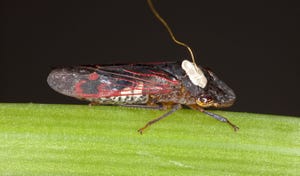
Bagrada bug pressure on desert cole crops appears to finally be letting up. Based on trials at the Yuma Agricultural Center (Yuma, Ariz.) and reports from numerous pest control advisers (PCAs) in Coachella, Imperial, Blythe and Yuma, the adult numbers on new stands were much lower last week.

In older stands, the plants now appear to be growing "normally." Insecticide applications are providing longer residual coverage.

In other research trials, soil applied neonicotinoids are providing some relief against adult Bagrada bugs as well. Broccoli plants and cauliflower transplants treated with soil applications of imidacloprid (Admire, Alias, Nuprid, etc) or clothianidin (Belay) at planting are significantly larger than untreated plants at 30 days after the wet date.

Although treated plants at the cotyledon or transplant stages took some damage at stand establishment, it seems that once the plants produced fully expanded leaves that the soil insecticides began to provide protection from Bagrada bugs.

The ultimate impact of the Bagrada bug infestations may not be evident until harvest when we can assess the maturity and quality of the crops that were heavily attacked early in stand establishment.

Although bug numbers have declined, PCAs should  remain vigilant and scout fields thoroughly for the presence of adults, and signs of new feeding damage (tattoo-like feeding scars) on cotyledons and young terminal leaves.

YAC research on Bagrada adult activity suggests that adults appear to be most active and abundant on plants in fields during the warmer parts of the day (9:00 - 4:00), and least abundant on the plants early in the morning (4:00 to 8:00). Click on this link, http://extension.arizona.edu/sites/extension.arizona.edu/files/resourcefile/resource/marcop/Bagrada%20bug%20Activity.pdf, for preliminary findings.

The highest probability of finding Bagrada bug adults on plants is during the midday. This may also be the best time to apply insecticides.

Contact Palumbo: (928) 782-3836 or jpalumbo@ag.arizona.edu.


Discuss this article 1

One effective way to combat mildew problems is by the use of desiccants like Silica Gel. These are the same small sachets you find in packaging of various products like electronics, garments, etc. Silica Gel works by absorbing the moisture in its surrounding area. For most mildew challenges, it does the job pretty well. Small sachets cost less than a dollar. It truly is a cost effective way of protection from moisture. There is a lot more information on our website at www.SilicaGel.net
By Sarah (not verified)  on Oct 8, 2010
Post new comment
Sign In or register to use your Western Farm Press ID

(optional)

Continuing Education Courses
New Course
The 2,000-member Weed Science Society of America’s (WSSA) Herbicide Resistance Action...
New Course

The course details six of the primary diseases affecting citrus: Huanglongbing (Citrus...

Get the latest info on almond insect pest management. California: 2 Hours "Other"
Farmer-to-Farmer Used Equipment