Illegal trees put California citrus industry at risk

  • Bringing in an illegal bud and propagating a new branch or tree of a favorite pummelo from a country in Asia, no matter how sweet the fruit; or a lime from Mexico, no matter how much it reminds one of home or a fun vacation; or possibly even a citron from an arboretum in Europe, no matter how good the fruit smells; puts the entire California citrus industry at extreme risk.

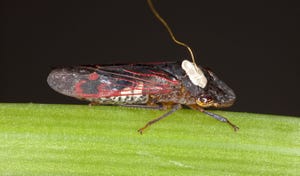
Everyone involved with the citrus industry should be aware by now that a citrus tree in the L.A. area, and an associated Asian citrus psyllid, were found to be infected with Huanglongbing, a tree‐deadly bacterial disease of citrus and related plants. Parts of this diseased tree appear to have been propagated from material not legally‐certified to be used to produce new citrus trees. Huanglongbing disease is present in many other citrus growing areas of the world such as Florida, Asia and Mexico.

When Huanglongbing infects a tree, bacteria, eventually, are found throughout the tree including shoots and buds. Bringing in an illegal bud and propagating a new branch or tree of a favorite pummelo from a country in Asia, no matter how sweet the fruit; or a lime from Mexico, no matter how much it reminds one of home or a fun vacation; or possibly even a citron from an arboretum in Europe, no matter how good the fruit smells; puts the entire California citrus industry at extreme risk.

Budwood can be brought into this country legally but will require permits and protocols from a number of government agencies starting with the United States Department of Agriculture, and in California will eventually involve the California Department of Food and Agriculture and the California Citrus Clonal Protection Program (www.ccpp.ucr.edu).

While it may seem harsh, any tree that was created from budwood illegally brought into California should be killed immediately in advance of the arrival of the Asian citrus psyllid vector of this disease into the San Joaquin Valley. Cutting the tree down at ground level may not be enough (but it is a good start). New suckers from the stump will still harbor the disease. Monitor the stump, and destroy suckers immediately until nothing new regrows. It is probably not a bad idea to disinfect tools after use on the infected tree. Always use and follow all safety features, guidelines and instructions when using hand or power tools such as axes, handsaws, chainsaws, clippers, loppers, grinders and chippers.

Discuss this Article 0

Post new comment
Sign In or register to use your Western Farm Press ID
(optional)

Continuing Education Courses
This accredited CE course focuses on choosing the correct variety alfalfa based on a number of...
New Course
The 2,000-member Weed Science Society of America’s (WSSA) Herbicide Resistance Action...

The course details six of the primary diseases affecting citrus: Huanglongbing (Citrus...

Newsletter Signup