Georgia farmers getting taste for pomegranates

What is in this article?:

  • Currently, most pomegranates grown in the United States come from California.
  • Some Georgia farmers are looking to bank on the multi-seeded, high-value, hard-to-peel fruit, which has surged in popularity in recent years, said Dan MacLean, a researcher with the University of Georgia College of Agricultural and Environmental Sciences based in Tifton, Ga.
  • The demand for trees is a reflection of the demand for the fruit. From juice to energy bars to salad dressings, pomegranates have found their way into supermarkets and kitchens across the country.

In southeast Georgia, an area of the state known for its blueberries, Brantley Morris of Morris Nursery in Alma, Ga., gets calls at least once a week from farmers who want to grow pomegranate trees.

“Right now I can’t supply the plants to the people who want them,” he said. “There’s such a demand for them.”

Some Georgia farmers are looking to bank on the multi-seeded, high-value, hard-to-peel fruit, which has surged in popularity in recent years, said Dan MacLean, a researcher with the University of Georgia College of Agricultural and Environmental Sciences based in Tifton, Ga.

“Pomegranate is moving beyond a curiosity crop in Georgia, and now farmers are making a go of establishing a solid industry,” MacLean said.

The demand for trees is a reflection of the demand for the fruit. From juice to energy bars to salad dressings, pomegranates have found their way into supermarkets and kitchens across the country.

The interest in pomegranates, especially around Alma, comes from “blueberry farmers wanting to diversify,” Morris said.

Blueberry farmers finish their harvests in the summer. Adding pomegranates to their fields would give them another harvest in the fall — and a way to balance the books in any given year if the blueberries don’t produce like they had hoped.

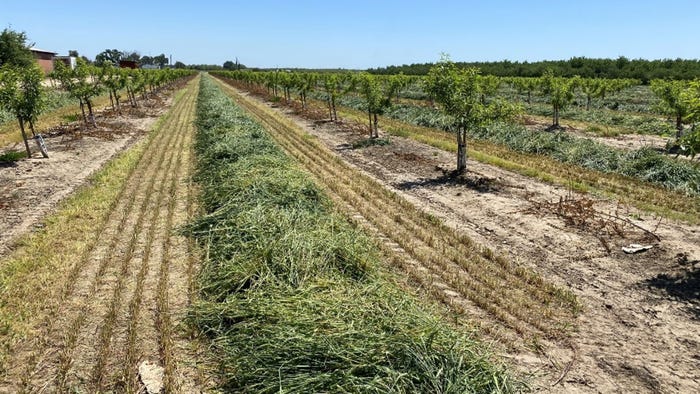
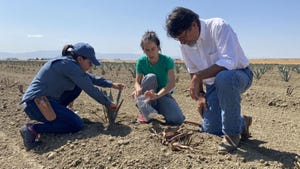
But it’s not just blueberry growers who are adding pomegranates. MacLean has worked with a farmer who grows corn silage and pomegranates in the same field. Other farmers he knows have cleared out a few acres of peach trees to make way for pomegranates.

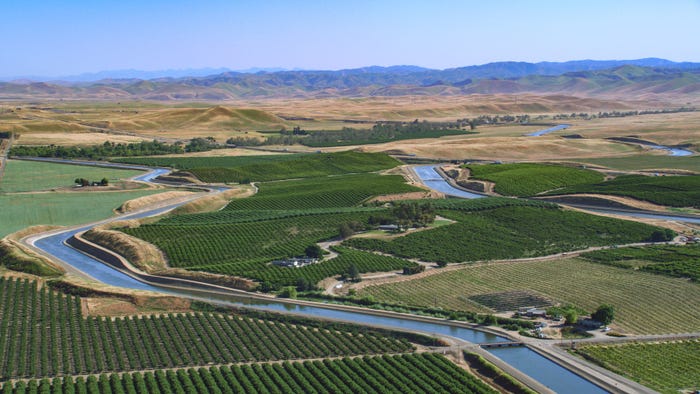
Currently, most pomegranates grown in the United States come from California. Most of the production is vertically integrated, MacLean said, meaning that orchards are owned, fruits are processed, and products are marketed all through a single corporation. This leaves plenty of opportunities for Georgia growers to sell their fruit to other companies.

Discuss this article 3

I WOULD LIKE TO DISCUSS WITH SOMEONE THE SIZE TREES NEEDED FOR THERE SUPPLY. AS I HAVE SOME TREES AVAILABE . I WILL BE NEEDING READY MARKET CONTACTS FOR THE FUTURE . THANKS, WOULD GREATLY APPRECIATE THE HELP.

By KAREN (not verified)  on Apr 7, 2011

I WOULD LIKE TO DISCUSS WITH SOMEONE HOW TO SECURE A MARKET FOR MY POMEGRANATE TREES AND OR LATER ON THE FRUIT. CAN YOU HELP?

By KAREN (not verified)  on Apr 22, 2011

NEED HELP IN SECURING A MARKET FOR MY POMEGRANATE TREES AND FRUIT.CAN SOMEONE DIRECT ME?

By KAREN (not verified)  on Feb 21, 2012
Post new comment
Sign In or register to use your Western Farm Press ID

(optional)

Continuing Education Courses
New Course
The 2,000-member Weed Science Society of America’s (WSSA) Herbicide Resistance Action...
New Course

The course details six of the primary diseases affecting citrus: Huanglongbing (Citrus...

Get the latest info on almond insect pest management. California: 2 Hours "Other"
Farmer-to-Farmer Used Equipment