Standardized taste testing leads to better eating

May 15, 2008 9:55 AM


For centuries, farmers decided their fruit was ready to pick by plucking one from a tree and taking a bite. Agricultural scientists now know that shipping and storage affect fruit flavor, and that standardized, scientific tasting produces more reliable results.

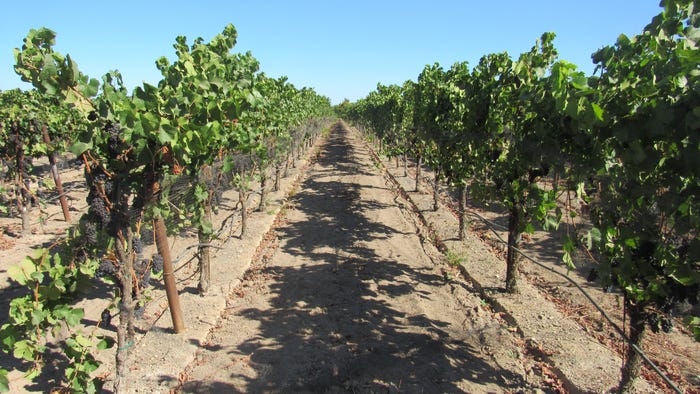
Nearly a decade ago, University of California agricultural scientists began systematic taste testing at the UC Kearney Research and Extension Center near Parlier. At the 330-acre research center -- a hub for valley research in irrigation techniques, pest management, variety testing and pruning systems -- groups of taste testers began sampling research fruit.

Early taste testing results have been so promising in predicting consumer satisfaction, scientists sought to expand their work. Produce industry groups, farmers and the UC Division of Agriculture and Natural Resources collaborated to build a new laboratory for sensory testing at Kearney, which was completed last month. The 1,100-square-foot laboratory features neutral white paint and broad-spectrum lighting. The ventilation system will minimize distracting odors and six tasting booths are set apart with dividers.

"The human factor sets sensory testing apart from the other agricultural sciences," said Susan Collin, a staff research associate at Kearney. "As human beings, we are very complex and tend to blend taste with vision, hearing, smell and texture when we make judgments. Here, we have tried to minimize those distractions."

Sensory testing research has been underway for 10 years

Even though previous sensory testing at Kearney was conducted in a less perfect environment, they have yielded helpful results for the industry. Under the direction of UC subtropical horticulturist Mary Lu Arpaia, research at Kearney has supported the avocado industry's efforts to provide good-tasting fruit to consumers, which has an enormous impact on future purchases.

"We know that if someone buys an avocado they don't like, it may be six weeks before they will purchase one again," Collin said.

When UC researchers released a new avocado variety -- Lamb Hass -- growers needed an objective measure of maturity that would ensure the fruit would ripen properly and taste good when it reached consumers' tables. Scientists harvested avocados at various levels of maturity, extracted a core of flesh from the middle of each one and replaced the core with a plastic rod that doesn't interfere with the fruit's ripening process. The unripe core samples were analyzed for dry matter. Later, after the fruit ripened, it was subjected to sensory testing.

"The Avocado Inspection Committee wanted to know the earliest level of maturity Lamb Hass could be picked and still be perceived by tasters as likable," Arpaia said. "We figured out a way to measure the dry matter of fruit and learned that those that had at least 22.8 percent dry matter when picked will ripen into an acceptable fruit."

Navel oranges have been the subject of sensory testing at Kearney

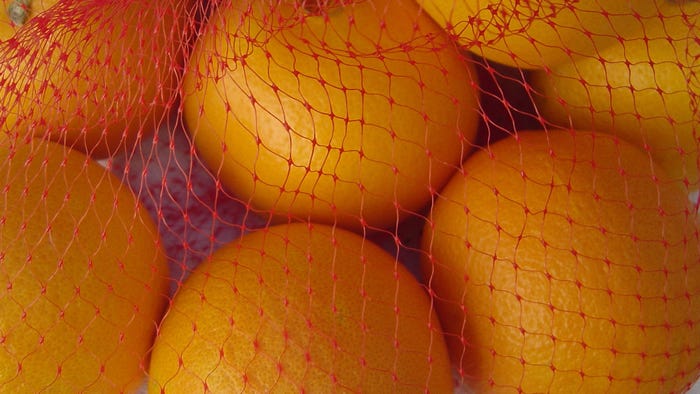
Similar studies have been done with navel oranges. The top and bottom of the orange are sliced off and discarded. Previous studies have shown that the bottom is the sweetest part of the orange and the top the least sweet. The center portion is divided in half, with one part going to the tasters and the other to the lab for scientific analysis.

"We determined each fruit's sugar-to-acid ratio," Arpaia said. "Human tasters judged how much they liked the fruit. We were able to establish a correlation between the sugar-to-acid ratio and acceptability for navel oranges for the beginning of the harvest season."

The research established a correlation, but there was still significant variability. Arpaia suspects that some of the orange variability may be due to volatiles -- the delicious scent that wafts from cut fruit. She and Collin are planning another study designed to make a connection between scientifically measured volatiles and people's preferences. The work will be done with plant physiologist David Oberland of the USDA San Joaquin Agricultural Sciences Research Center, located across the street from Kearney.

Get Copyright ClearanceWant to use this article? Click here for options!
© 2008 Penton Media, Inc.


Latest Jobs

resources

events icon events

product info icon tradeshows

tradeshow icon digests

research icon photos

Continuing Education

Accredited in California, Arizona, Idaho, Oregon and Washington and for Certified Crop Advisers:


(New Course)
Organic/Sustainable Agricultural Production in the West

Organic/sustainable agriculture is expanding rapidly in the U.S. with an average annual increase of 20% during the last 15 years. This course covers a wide range of pests and organic control strategies. It is accredited for up to 4 continuing education hours for PCAs and Applicator Licensees in California, Arizona, Idaho, Oregon and Washington. It is also approved for Certified Crop Adviser credit.

ACCREDITED IN OREGON AND WASHINGTON:


(New Course)
Managing Spray Drift to Minimize Problems

This online spray drift management course has been certified by the Oregon Department of Agriculture and the Washington Department of Agriculture for 2 hours of credit for licensed Applicators and Consultants in Oregon and Washington.

ACCREDITED IN CALIFORNIA ONLY:


Almond Pest Management

Get the latest info on almond insect pest management and earn 2 hrs. CE DPR and CCA credit in California.

California Groundwater Protection Regulations

Earn 2 hrs. in California laws and regs CE and learn how to protect California groundwater supplies.


Disease Management in California Almonds

Managing diseases in California almond production is a year-long process. This course provides the latest information on controlling these diseases with management practices and fungicides. The course is approved for 2 CEUs by DPR for PCAs and all applicator categories and California CCAs.

Powdery Mildew Control in California Grapevines

Learn about the No. 1 grape disease in California; earn 2 California CE hours.

ACCREDITED IN CALIFORNIA AND ARIZONA:


The Role of Copper in Disease Control

Copper has long been a key tool in disease control in a many crops. This 2-CEU course accredited California PCAs and all DPR applicator categories and Arizona applicators details how best to use copper to maximize its potential.

Insecticide Resistance Management in Agronomic and Row Crops

A 3-hr. CE approved for California and Arizona licensees and CCAs in both states.

Agronomic Weed Resistance Management in Row Crops, Trees Nuts and Vines

Weeds Resistance Management is approved for 3 hours of CE credit for all California and Arizona licensees and Certified Crop Advisers.

Lepidopterous Pest Management/ Pesticide Safety

This course is approved for 2 hours in Arizona and California (1 hr. of laws/regs; 1 hour Other) and for CCAs.

Managing Spray Drift to Minimize Problems

2-hrs laws and regs for California licensees; 2 hours in Arizona and for CCAs.

Back to Top

Browse Print Issues

Additional Resources

subscribe to Farm Press Daily Southeast Farm Press Southwest Farm Press Delta Farm Press