March crop comments

Apr 18, 2008 10:43 AM

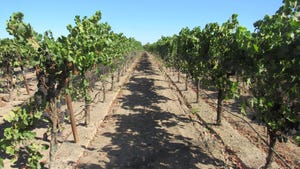
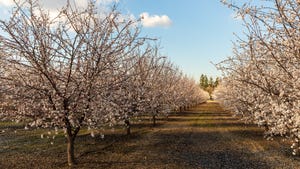
California’s apples, grapes, pears, pomegranates, persimmons, and stone fruit began blooming and leafing out. Grape growers continued to irrigate, cultivate, tie vines, and apply treatments for weeds, diseases, and insects. Spring strawberries and blueberries started blooming and blueberry growers continued to plant new blueberry bushes. Kiwifruit pruning was completed and new kiwifruit vines were being planted. Groves and orchards benefitted from warm weather conditions, which were excellent for pollination. Olive growers were finishing maintenance in their groves for the new season. Almond orchards bloomed throughout March and ended the month in the petal fall stage. Warm weather also reduced the threat of disease in the Sacramento Valley. Walnut and pistachio orchards began blooming and leafing out.

California citrus

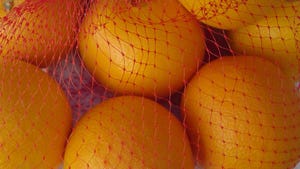
Navel Oranges — The 2007-08 Navel orange forecast is 99 million cartons, a 3 percent increase from January and up 43 percent from last season. The Navel season is progressing well with above average yields and good fruit color, maturity, and sugar content.

Valencia Oranges — The 2007-08 Valencia orange forecast remains unchanged from March at 32 million cartons. The crop is expected to be up 39 percent from last season. An early harvest has begun of the 2008 Valencia crop with limited picking. The crop looks good with a heavier than average fruit set per tree than in most years. Fruit size varies across the state, but overall is smaller than average. Production is above that of last year's freeze-damaged crop, but not expected to reach the levels seen in earlier years of much higher acreage.

Grapefruit — The 2007-08 California grapefruit forecast is 10.0 million cartons, unchanged from the January forecast, but down 9 percent from last season. Desert Rio Reds and Pummelo varieties were being picked in California.

Lemons — The 2007-08 lemon forecast is 34 million cartons, unchanged from the January forecast, but 8 percent below last season. Lemon harvest in the desert area is complete. Harvest is increasing on the south coast, but inventories remain tight. Picking in the Central Valley is light.

Tangerines — The 2007-08 tangerine forecast is 10.2 million cartons, unchanged from the January forecast, but up 46 percent from last season.

W. Murcott mandarins and Minneola tangelos grown in the Central Valley are expected to be picked through the end of the month. Royal and Honey mandarin harvests remain underway. Pixie mandarin harvest has just begun in the southern areas and fruit are of excellent quality.

Strawberries — The 2008 California strawberry production is expected to be 22 million cwt., up 2 percent from last year. Harvested acreage is estimated at 36,700, with a yield of 600 cwt. per acre. The '08 strawberry crop began the year with a sluggish start. Cool, wet weather slowed crop progress even compared with last year’s frost delayed crop. Warmer and drier weather has resulted in increased production. Quality has been reported as excellent.

Get Copyright ClearanceWant to use this article? Click here for options!
© 2010 Penton Media, Inc.


Latest Jobs

Subscribe to RSS headline updates from:
Powered by FeedBurner

Continuing Education

*View the entire list of courses offered.


Accredited for California, Arizona and CCA hours:


New Course
Using Organic Acids to Improve Plant Production

Healthy plants have a greater ability to resist soil pathogens and insect damage. This course details how organic acids can enhance plant health. It is accredited for 1 unit in nutrients for CCAs and .5 hours for Arizona licensees. Credit is pending at California Department of Pesticide Regulation

New Course
The ABCs of MRLs

American agriculture exports 20 to 30 percent of its production annually. For specific commodities, the percentage is much higher. When recommending and applying pest management products for crops, license Pest Control Advisers (PCAs)  and applicators and farmers must be aware of which products applied are in compliance with Maximum Residue Limits (MRLs) established by foreign customers. This CE course details the MRL issue and why compliance is critical to marketing into world trade.

Back to Top

Browse Print Issues

Additional Resources

subscribe to Farm Press Daily Southeast Farm Press Southwest Farm Press Delta Farm Press