USDA awards California conservation contracts

Mar 24, 2008 10:29 AM


Lincoln Burton, state conservationist for the USDA Natural Resources Conservation Service (NRCS) in California, has announced that statewide distribution of conservation cost share contracts has been completed for fiscal year 2008.

According to Burton, 1,078 farmers and ranchers are receiving contracts totaling nearly $39 million under the Environmental Quality Incentives Program (EQIP).

“Agricultural producers work hard to find the best ways to be economically and environmentally sustainable,” says Burton. “EQIP helps us combine the vital work of conservation planning for the landscape with an economic assistance tool to implement needed improvements on a scheduled timetable.”

Some of the most popular conservation improvements funded this year include:

- Air quality improvements (e.g. cleaner engines and dust control on farm roads);

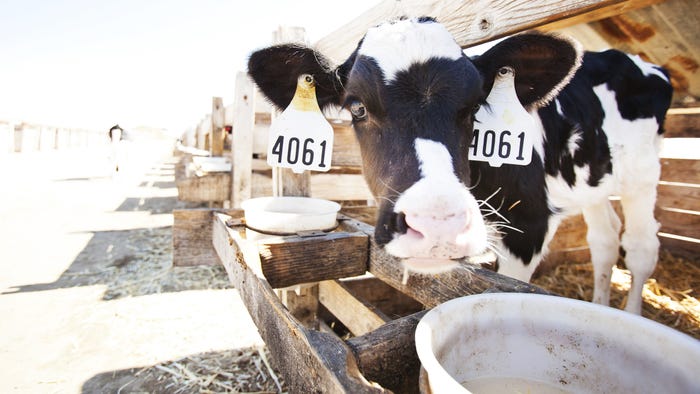
- Nutrient planning and management on dairies;

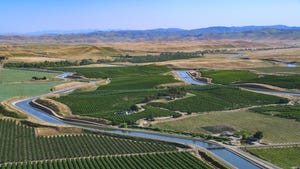
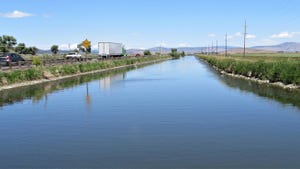
- Water efficiency measures (e.g. micro-irrigation systems and lined ditches);

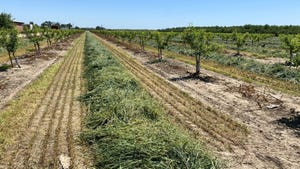
- Water quality management (e.g. integrated pest management, riparian stabilization, and an increased use of hedgerows);

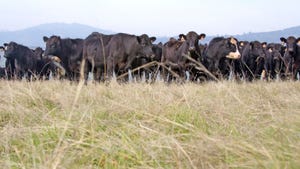
- Rangeland conservation (e.g. fencing to enhance livestock management); and

- Erosion control measures (e.g. increased conservation tillage and residue management).

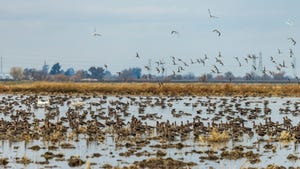
In addition, an accelerated conservation effort helped producers in San Diego and other Southern California counties with much needed conservation assistance following last fall’s wildfires. NRCS assisted producers with $4 million in erosion control for scorched hillsides as well as water conservation, water quality, and wildlife habitat measures.

“Everyone in NRCS, local Resource Conservation Districts, and partners such as USDA’s Farm Service Agency pulled together to support an accelerated conservation program in San Diego,” says Burton. “All the people and resources of those watersheds are sharing the benefits of this environmental stewardship.”

Funding overall in California decreased 19 percent due to the expiration of key programs in the 2002 farm bill that had funded the Klamath Basin and other ground and surface water projects.

Consequently, EQIP funding was lower in almost every county in California. Another 2002 farm bill program, the Wildlife Habitat Incentives Program (WHIP) also expired; it was funded at $267,000, or enough to accommodate 13 new contracts.

Get Copyright ClearanceWant to use this article? Click here for options!
© 2008 Penton Media, Inc.


Latest Jobs

resources

events icon events

product info icon tradeshows

tradeshow icon digests

research icon photos

Continuing Education

ACCREDITED IN CALIFORNIA ONLY:


Almond Pest Management

Get the latest info on almond insect pest management and earn 2 hrs. CE DPR and CCA credit in California.

California Groundwater Protection Regulations

Earn 2 hrs. in California laws and regs CE and learn how to protect California groundwater supplies.

(New Course)
Disease Management in California Almonds

Managing diseases in California almond production is a year-long process. This course provides the latest information on controlling these diseases with management practices and fungicides. The course is approved for 2 CEUs by DPR for PCAs and all applicator categories and California CCAs.

Powdery Mildew Control in California Grapevines

Learn about the No. 1 grape disease in California; earn 2 California CE hours.

ACCREDITED IN CALIFORNIA AND ARIZONA:


Insecticide Resistance Management in Agronomic and Row Crops

A 3-hr. CE approved for California and Arizona licensees and CCAs in both states.

Agronomic Weed Resistance Management in Row Crops, Trees Nuts and Vines

Weeds Resistance Management is approved for 3 hours of CE credit for all California and Arizona licensees and Certified Crop Advisers.

Lepidopterous Pest Management/ Pesticide Safety

This course is approved for 2 hours in Arizona and California (1 hr. of laws/regs; 1 hour Other) and for CCAs.

Managing Spray Drift to Minimize Problems

2-hrs laws and regs for California licensees; 2 hours in Arizona and for CCAs.

(New Course)
The Role of Copper in Disease Control

Copper has long been a key tool in disease control in a many crops. This 2-CEU course accredited California PCAs and all DPR applicator categories and Arizona applicators details how best to use copper to maximize its potential.

Back to Top

Browse Print Issues

Additional Resources

subscribe to Farm Press Daily Southeast Farm Press Southwest Farm Press Delta Farm Press