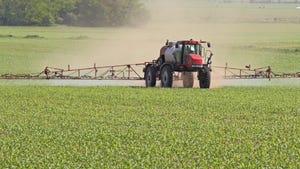
California pesticide use dropped 8.4 percent in 2007

Dec 18, 2008 10:08 AM

Pesticide use in California has dropped for the second consecutive year, according to the California Department of Pesticide Regulation (DPR). Approximately 172 million pounds of pesticides were applied statewide in 2007, a decrease of nearly 16 million pounds, or 8.4 percent, from 2006.

Production agricultural use dropped by more than 11 million pounds, as did almost every other category. Reports are mandatory for agricultural and pest control business applications, while most home, industrial, and institutional uses are exempt.

“While pesticide use varies year to year based on weather conditions, economics, types of crops, acreage planted, and other variable factors, the reduction in 2007 reflects DPR’s efforts to promote pest control through a combination of techniques that pose the lowest risk to public health and the environment,” said DPR Director Mary-Ann Warmerdam.

“I am especially encouraged to see an across-the-board drop in categories of pesticides with the greatest regulatory concern,” Warmerdam said.

Warmerdam referred to pesticides that have been identified as potential or known carcinogens, reproductive toxins, groundwater contaminants, toxic air contaminants and chemicals that disrupt nerve function. All of these high-toxicity categories declined in 2007 as measured both in pounds applied and acreage treated.

DPR analysts noted that dry spring weather conditions in 2007 appear to have been a factor in reducing disease and weed levels and thus the need for pesticides compared with 2006, according to a DPR analysis of major crop applications prepared as part of the summary use data. Insect populations were generally lower in 2007 as well.

In addition to weather conditions, analysts attributed the drop in pesticide use to farmers continuing to do a better job of minimizing pesticide use when possible and shifting to newer products that are less toxic to people and the environment.

No rankings changed from 2006 to 2007 among the top five counties in order of most pesticide pounds applied. Fresno was first, followed by Kern, Tulare, San Joaquin and Madera.

Other details from DPR’s 2007 pesticide report compare 2006 and 2007 data:

• Use of organophosphate and carbamate pesticides, most of which are older compounds of high regulatory concern because of their toxicity and detection in surface water, continued to decline. In 2007, they declined by 1.1 million pounds and 756,000 acres treated, or 16 percent and 13 percent, respectively.

• Use of chemicals classified as reproductive toxins declined by 1.9 million pounds and 130,000 acres treated, or 10 percent and 7 percent, respectively.

• Use of chemicals classified as probable or known carcinogens declined by 2.7 million pounds and 547,000 acres treated, or 10 percent and 15 percent respectively.

• Use of chemicals classified as toxic air contaminants declined by 2.5 million pounds and 452,000 acres treated, or 6.3 percent and 12 percent, respectively.

• Use of chemicals classified as groundwater contaminants declined by 303,000 pounds and 275,000 acres treated, or 16 percent and 18 percent, respectively. • Use of fumigants decreased by 294,000 pounds, or 0.8 percent, but acres treated increased by 1,235 acres, or 0.3 percent.

• Use of oil pesticides declined by 4.3 million pounds, or 13 percent, but increased by 118,000 acres treated, or 3.7 percent.

Get Copyright ClearanceWant to use this article? Click here for options!
© 2009 Penton Media, Inc.


Latest Jobs

resources

events icon events

product info icon tradeshows

tradeshow icon digests

research icon photos

Continuing Education


*View the entire list of courses offered.


Accredited for California, Arizona and CCA hours:


New Course
Using Organic Acids to Improve Plant Production

Healthy plants have a greater ability to resist soil pathogens and insect damage. This course details how organic acids can enhance plant health. It is accredited for 1 unit in nutrients for CCAs and .5 hours for Arizona licensees. Credit is pending at California Department of Pesticide Regulation


New Course

The ABCs of MRLs

American agriculture exports 20 to 30 percent of its production annually. For specific commodities, the percentage is much higher. When recommending and applying pest management products for crops, license Pest Control Advisers (PCAs)  and applicators and farmers must be aware of which products applied are in compliance with Maximum Residue Limits (MRLs) established by foreign customers. This CE course details the MRL issue and why compliance is critical to marketing into world trade.

Back to Top

Browse Print Issues

Additional Resources

subscribe to Farm Press Daily Southeast Farm Press Southwest Farm Press Delta Farm Press