BSE continues to alarm cattle industry

Dec 28, 2007 9:55 AM


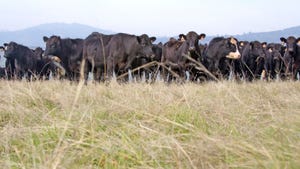
Canada’s 12th indigenous case of bovine spongiform encephalopathy (BSE) is the latest source of alarm for the U.S. Department of Agriculture.

USDA is under heavy criticism for it’s recently implemented over-30-month rule (OTM rule), which allows older cattle to be imported from Canada. USDA currently is being sued by a group of 11 plaintiffs representing cattle producers and consumer organizations. The suit argues that the OTM rule violates USDA’s own regulations already in place. The current regulations specifically prohibit beef from BSE-affected countries that was derived from cattle born before a feed ban was set.

Had the latest Canadian case of BSE not been caught by Canada’s voluntary detection program, the beef would have been eligible for export to the United States.

Currently, Canada does not require mandatory testing for BSE. R-CALF USA President/Region VI Director Max Thornberry believes there is a high possibility that BSE-infected cattle are entering the United States undetected. “Without country-of-origin labeling (COOL) in place, consumers cannot distinguish U.S. beef from Canadian beef, so they have no way of avoiding this risk.”

Eric Nelson, R-CALF USA Trade Committee co-chair, believes the U.S. cattle industry is unnecessarily compromising its reputation through association with Canadian beef. “It is unconscionable that USDA would not at least allow U.S. cattle producers to differentiate their high-quality U.S. beef from Canadian beef with a country-of-origin label so we can maintain consumer confidence in our product and gain full resumption of U.S. exports.

“USDA should take swift action to protect U.S. consumers and the U.S. cattle herd and to alleviate any negative perceptions major beef importers may have regarding Canada’s BSE status, to keep from further eroding our chances of reopening lost export markets,” Nelson said.

Joining R-CALF USA in the lawsuit against USDA: Food & Water Watch, South Dakota Stockgrowers Association; the Center for Food Safety; the Creutzfeldt-Jakob Disease Foundation; Public Citizen, and the Consumer Federation of American, with 50 million members. Individual plaintiffs include South Dakota cattle producers Herman Schumacher, Robert Mack, Ernie Mertz and Wayne Nelson.

Get Copyright ClearanceWant to use this article? Click here for options!
© 2008 Penton Media, Inc.


Latest Jobs

resources

events icon events

product info icon tradeshows

tradeshow icon digests

research icon photos

Continuing Education

ACCREDITED IN CALIFORNIA ONLY:


Almond Pest Management

Get the latest info on almond insect pest management and earn 2 hrs. CE DPR and CCA credit in California.

California Groundwater Protection Regulations

Earn 2 hrs. in California laws and regs CE and learn how to protect California groundwater supplies.

(New Course)
Disease Management in California Almonds

Managing diseases in California almond production is a year-long process. This course provides the latest information on controlling these diseases with management practices and fungicides. The course is approved for 2 CEUs by DPR for PCAs and all applicator categories and California CCAs.

Powdery Mildew Control in California Grapevines

Learn about the No. 1 grape disease in California; earn 2 California CE hours.

ACCREDITED IN CALIFORNIA AND ARIZONA:


Insecticide Resistance Management in Agronomic and Row Crops

A 3-hr. CE approved for California and Arizona licensees and CCAs in both states.

Agronomic Weed Resistance Management in Row Crops, Trees Nuts and Vines

Weeds Resistance Management is approved for 3 hours of CE credit for all California and Arizona licensees and Certified Crop Advisers.

Lepidopterous Pest Management/ Pesticide Safety

This course is approved for 2 hours in Arizona and California (1 hr. of laws/regs; 1 hour Other) and for CCAs.

Managing Spray Drift to Minimize Problems

2-hrs laws and regs for California licensees; 2 hours in Arizona and for CCAs.

(New Course)
The Role of Copper in Disease Control

Copper has long been a key tool in disease control in a many crops. This 2-CEU course accredited California PCAs and all DPR applicator categories and Arizona applicators details how best to use copper to maximize its potential.

Back to Top

Browse Print Issues

Additional Resources

subscribe to Farm Press Daily Southeast Farm Press Southwest Farm Press Delta Farm Press