Ag industry gets bad rap over water pollution issues

Nov 7, 2007 4:57 PM, By Richard Cornett
Communications Director Western Plant Health Association


There comes a time when outright untruths and misconceptions have to be dealt with head-on and in a very direct way.

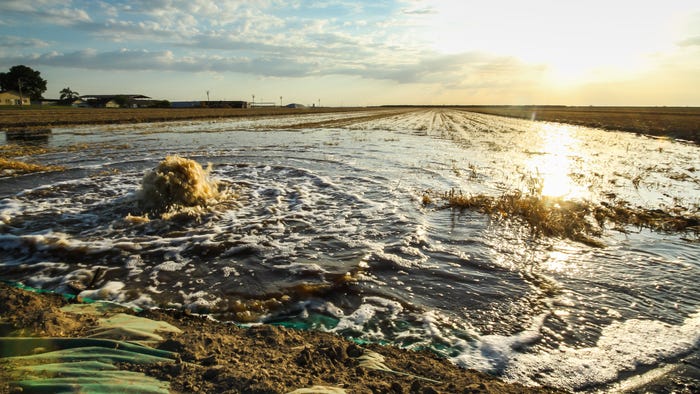
Recent media statements that the agriculture industry is contributing to the pollution of California waterways — especially in the San Joaquin Delta — and that this alleged contamination is being ignored, or worse, consciously being propagated and covered up by state water officials, is a prime case in point.

A good example of this misinformation was evidenced in September when a Stockton publication ran a column titled “Pollution Law Soft on Ag Industry.”

The columnist accused farmers and large farming corporations of using political clout to bypass standard state regulations through the use of “waivers” that, in effect, allow nine farming coalitions to police themselves in monitoring and preventing water pollution. The article claimed that farmers continue to pollute freely and that state water authorities are not enforcing key aspects of water quality regulations.

The newspaper article missed the mark on several points and was outright wrong in others, perhaps because the reporter was simply uninformed about the details.

As recent as September, an important meeting was held in Clovis that consisted of officials from the State Water Resources Control Board, the Central Valley Regional Water Quality Control Board, industry organizations, and California growers. The Western Plant Health Association, a trade group that represents crop protection interests in California, has been closely following the Irrigated Lands Program (ILP) that directly deals with water quality concerns. Furthermore, WPHA has been working very closely with production agriculture on the very issues the newspaper article mentioned.

Matters discussed at the Clovis meeting included coalition compliance with waiver conditions, water quality management plans, the Monitoring and Reporting Plan, and long-term planning goals in enhancing the water quality aspects in the Delta and other Central Valley waterways. This was a productive meeting and a good example that “things are being done” to deal with water pollution problems.

The Stockton article was wrong in several areas. First off, California agriculture under the ILP regulates the discharging of water and agriculture doesn’t have “a waiver from laws” that allows growers to freely pollute the landscape and river systems. With a “waiver” there are specific regulations and conditions that agriculture and water quality coalitions must follow. To imply as the writer did that this waiver somehow means growers are exempt from following regulations completely, is outright wrong. These regulations are enforced by the Central Valley Regional Water Board.

In another misstep, it is mentioned that the waiver is not protecting groundwater. It is true that coalition efforts are still focused on dealing with surface water, with plans to tackle groundwater in the very near future, but it must be noted that the California Department of Pesticide Regulation has had an active groundwater monitoring program in place for the past 20 years.

It is important to note that during the last three years the nine farming water coalitions charged with monitoring water quality have spent roughly $9.5 million on water monitoring, lab analyses, and grower outreach programs in best management practices to reduce the amount of discharged pollutants in California’s waterways.

In fact, this coalition water ombudsman group in California is the first such coalition in the nation to work together to monitor, enhance and improve water quality and reduce water pollution. But it doesn’t happen overnight. In just three years, the coalitions have developed a monitoring program that identifies water concerns and highlights successes of farmers who are keeping the waterways clean and pollution free.

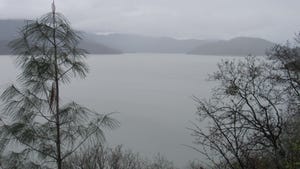
The remark that the San Joaquin Delta has been damaged and compromised by agriculture pollution in our water systems is simplistic and the real issues are much more complex. Various factors are unfavorably influencing aquatic life and water clarity in the Delta, not the least of which is the loss of habitat, water diversions, the harm caused by invasive species and the natural act of competing for food.

Things are being done and the overall situation is improving, albeit at a pace that doesn’t satisfy everyone. But the industry is complying with laws and regulations as laid down by the Regional Water Quality Control Board and everyone involved will continue to work toward improving the state’s water quality. After all, it is in everyone’s best interest, and remember that farmers and their families also drink the water the rest of us do.

Richard Cornett is the communications director for the Western Plant Health Association. He can be reached at 916-574-9744, or at richardc@healthyplants.org.

Get Copyright ClearanceWant to use this article? Click here for options!
© 2008 Penton Media, Inc.


Latest Jobs

resources

events icon events

product info icon tradeshows

tradeshow icon digests

research icon photos

Continuing Education

ACCREDITED IN CALIFORNIA ONLY:


Almond Pest Management

Get the latest info on almond insect pest management and earn 2 hrs. CE DPR and CCA credit in California.

California Groundwater Protection Regulations

Earn 2 hrs. in California laws and regs CE and learn how to protect California groundwater supplies.

(New Course)
Disease Management in California Almonds

Managing diseases in California almond production is a year-long process. This course provides the latest information on controlling these diseases with management practices and fungicides. The course is approved for 2 CEUs by DPR for PCAs and all applicator categories and California CCAs.

Powdery Mildew Control in California Grapevines

Learn about the No. 1 grape disease in California; earn 2 California CE hours.

ACCREDITED IN CALIFORNIA AND ARIZONA:


Insecticide Resistance Management in Agronomic and Row Crops

A 3-hr. CE approved for California and Arizona licensees and CCAs in both states.

Agronomic Weed Resistance Management in Row Crops, Trees Nuts and Vines

Weeds Resistance Management is approved for 3 hours of CE credit for all California and Arizona licensees and Certified Crop Advisers.

Lepidopterous Pest Management/ Pesticide Safety

This course is approved for 2 hours in Arizona and California (1 hr. of laws/regs; 1 hour Other) and for CCAs.

Managing Spray Drift to Minimize Problems

2-hrs laws and regs for California licensees; 2 hours in Arizona and for CCAs.

(New Course)
The Role of Copper in Disease Control

Copper has long been a key tool in disease control in a many crops. This 2-CEU course accredited California PCAs and all DPR applicator categories and Arizona applicators details how best to use copper to maximize its potential.

Back to Top

Browse Print Issues

Additional Resources

subscribe to Farm Press Daily Southeast Farm Press Southwest Farm Press Delta Farm Press