Almond Board of California urges growers to comment on soil fumigant issues

Jun 20, 2007 9:58 AM

State and federal agencies inare seeking public comments on two separate proposed soil fumigant regulations.

The regulations could have immediate and far-reaching effects on how, and to what extent, current pre-plant soil fumigants are used on almonds and other California crops, according to the Almond Board of California (ABC).

DPR soil fumigant proposal

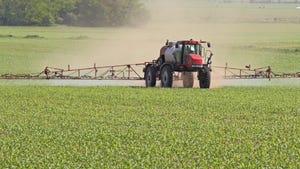
Critical to almond and other specialty crop growers is a California Department of Pesticide Regulation (DPR) proposal to cap soil fumigant use in the San Joaquin Valley to reduce pesticide volatile organic compound (VOC) emissions.

While the caps currently would only affect growers in certain air quality districts, parts of the regulations are to be implemented statewide, the ABC says.

“This is the most drastic regulation on soil fumigants since Telone was banned in 1990 by DPR,” says Gabriele Ludwig, the ABC’s senior manager of global technical and regulatory affairs.

The regulations are required to be in place by Jan. 1, 2008, and would take effect for the 2009 ozone season.

The DPR is currently proposing a cap on emissions for combined soil fumigants during the ozone season from May 1 to Oct. 31, a time period when most pre-plant soil fumigations in almonds are taking place, the ABC says.

The cap includes the three most commonly used soil fumigants by almond growers — methyl bromide, Telone (1, 3-D), and chloropicrin.

The DPR is currently seeking comments from users, registrants, and other stakeholders on the proposed regulations, which include caps, methods of application, methods to reduce off-gassing, such as water seals or tarping, as well as methods used to calculate the emission factors.

The DPR’s open public comment period runs through July 13. Comments can be posted at www.cdpr.ca.gov/docs/legbills/rulepkgs.htm.

Public hearings for the VOC regulations are scheduled for July 10 at Ontario, Calif., and July 12 at Parlier.

EPA bystander exposure measures

At the same time the DPR is considering its new restrictions on soil fumigants, the U.S. Environmental Protection Agency (EPA) is also seeking public comment on a new set of mitigation standards intended to reduce worker and bystander exposure risks from soil fumigant applications, the ABC says.

The EPA has released a range of risk mitigation measures and is seeking public input on how the specific requirements would work, how much they would cost growers, and what impact they would have on current production practices.

Public comment on the new set of mitigation measures is open until July 2.

The EPA is seeking specific input from growers and other stakeholders for each fumigant and proposed risk management option on its Web site at www.epa.gov/oppsrrd1/reregistration/soil_fumigants/.

Get Copyright ClearanceWant to use this article? Click here for options!
© 2009 Penton Media, Inc.


Latest Jobs

resources

events icon events

product info icon tradeshows

tradeshow icon digests

research icon photos

Continuing Education


*View the entire list of courses offered.


Accredited for California, Arizona and CCA hours:


New Course
Using Organic Acids to Improve Plant Production

Healthy plants have a greater ability to resist soil pathogens and insect damage. This course details how organic acids can enhance plant health. It is accredited for 1 unit in nutrients for CCAs and .5 hours for Arizona licensees. Credit is pending at California Department of Pesticide Regulation


New Course

The ABCs of MRLs

American agriculture exports 20 to 30 percent of its production annually. For specific commodities, the percentage is much higher. When recommending and applying pest management products for crops, license Pest Control Advisers (PCAs)  and applicators and farmers must be aware of which products applied are in compliance with Maximum Residue Limits (MRLs) established by foreign customers. This CE course details the MRL issue and why compliance is critical to marketing into world trade.

Back to Top

Browse Print Issues

Additional Resources

subscribe to Farm Press Daily Southeast Farm Press Southwest Farm Press Delta Farm Press