Confessions of a biotech bully: How I survived the killer pollen

Jun 8, 2007 2:52 PM, By Harry Cline
Farm Press Editorial Staff

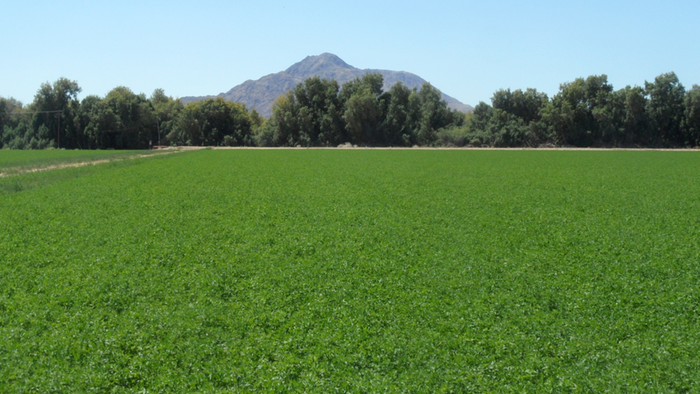
I confess: I’ve walked in fields of biotech alfalfa and lived to tell about it. I’ve actually touched leaves of the herbicide-resistant forage crop and still have all 10 fingers. I think. Let me count again.

I’ve traipsed row after row of Bt cotton and come away unscathed, except for spider webs covering my jeans. Those dastardly predators! They were never there in the days when farmers were spraying to kill worms.

Would you believe, I have actually taken cotton bolls off plants and inspected them closely for worm exit holes, and I can still stand upright, walk, and talk? I’ve photographed the harvest of herbicide-resistant corn; inhaled swirling biotech cornstalk dust and pollen, and here I am — living to type these words. I’ve even walked into my home wearing a dust-covered shirt, exposing my family to dreaded biotechnology. How foolish.

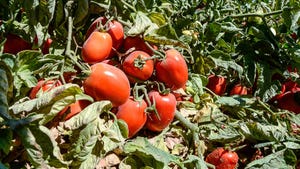
I actually had an encounter with a mega-marestail, or as some call it, horseweed. Standing tall and menacing as I approached, my instincts told me to steer clear. Thoughts of the killer biotech tomatoes crept into my trembling brain. Nevertheless, I approached the vegetative giant, reached down and yanked the menace from the clutches of the moist soil, and wrestled it out of the field.

I thought of mounting it for my den wall. I suggested to the farmer that he might want to hitch up his rusting cultivator or load the hooded herbicide sprayer tank with paraquat and destroy the remaining horde of marestail. They may be resistant to glyphosate. Can’t afford to take a chance that the frightening green fiend may spread.

It has been tough, combating the terrible dangers of biotech agriculture, but amazingly, I have survived and now realize how fortunate I have been to escape.

I have finally come to my senses, thanks to Federal District Court Judge Charles E. Breyer and my friends at the Center for Food Safety, who have shown me the error of my ways.

I was endangering myself in all those places, unprotected by a legal system that is now deciding what may or may not be toxic. I needed an Environmental Impact Statement (EIS) to protect myself, but I was ignorant of the danger. (Now I need to figure how to wear an EIS.)

Foolish me, for relying on scientists worldwide and more government agencies than Carter has pills (you have be over age 60 to get that one) to give me the facts and protect me.

Now, I can rely on the court system and a “watchdog, non-profit” consumer group that constantly panhandle foundations for money, to protect me from all those horrifying biotech dangers. I will now search for fields of weed-choked alfalfa and worm-ravaged cotton or corn to do my future agricultural hiking. No more clean stuff.

I can now rest easy, knowing that the good judge and my friends at the Center for Food Safety are protecting me and organic growers from the unspeakable dangers of biotechnology.

It is amazing I have survived this long.

e-mail: hcline@farmpress.com

Get Copyright ClearanceWant to use this article? Click here for options!
© 2008 Penton Media, Inc.


Latest Jobs

resources

events icon events

product info icon tradeshows

tradeshow icon digests

research icon photos

Continuing Education

ACCREDITED IN CALIFORNIA ONLY:


Almond Pest Management

Get the latest info on almond insect pest management and earn 2 hrs. CE DPR and CCA credit in California.

California Groundwater Protection Regulations

Earn 2 hrs. in California laws and regs CE and learn how to protect California groundwater supplies.

(New Course)
Disease Management in California Almonds

Managing diseases in California almond production is a year-long process. This course provides the latest information on controlling these diseases with management practices and fungicides. The course is approved for 2 CEUs by DPR for PCAs and all applicator categories and California CCAs.

Powdery Mildew Control in California Grapevines

Learn about the No. 1 grape disease in California; earn 2 California CE hours.

ACCREDITED IN CALIFORNIA AND ARIZONA:


Insecticide Resistance Management in Agronomic and Row Crops

A 3-hr. CE approved for California and Arizona licensees and CCAs in both states.

Agronomic Weed Resistance Management in Row Crops, Trees Nuts and Vines

Weeds Resistance Management is approved for 3 hours of CE credit for all California and Arizona licensees and Certified Crop Advisers.

Lepidopterous Pest Management/ Pesticide Safety

This course is approved for 2 hours in Arizona and California (1 hr. of laws/regs; 1 hour Other) and for CCAs.

Managing Spray Drift to Minimize Problems

2-hrs laws and regs for California licensees; 2 hours in Arizona and for CCAs.

(New Course)
The Role of Copper in Disease Control

Copper has long been a key tool in disease control in a many crops. This 2-CEU course accredited California PCAs and all DPR applicator categories and Arizona applicators details how best to use copper to maximize its potential.

Back to Top

Browse Print Issues

Additional Resources

subscribe to Farm Press Daily Southeast Farm Press Southwest Farm Press Delta Farm Press