Scientists conclude melamine contaminated food risk low

May 8, 2007 12:16 PM


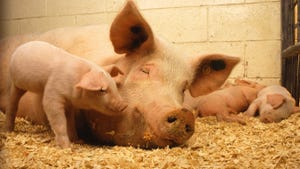
There is very low risk to human health from consuming meat from hogs and chickens known to have been fed animal feed supplemented with pet food scraps that contained melamine and melamine-related compounds, according to an assessment conducted by scientists from five federal agencies.

In the most extreme risk assessment scenario, when scientists assumed that all the solid food a person consumes in an entire day was contaminated with melamine at the levels observed in animals fed contaminated feed, the potential exposure was about 2,500 times lower than the dose considered safe. In other words, it was well below any level of public health concern.

The risk assessment is an important new science-based component of the continuing federal joint investigation into imported wheat gluten and rice protein concentrate from China that contained melamine and melamine-related compounds.

The risk assessment was conducted by scientists from the Food and Drug Administration (FDA) and the Centers for Disease Control and Prevention (CDC) of the Department of Health and Human Services (HHS), the Environmental Protection Agency (EPA), U.S. Customs and Border Protection (CBP) of the Department of Homeland Security (DHS) and the Food Safety and Inspection Service (FSIS) of the U.S. Department of Agriculture (USDA).

This team is now compiling a scientific assessment of the risk to animal health associated with ingestion of animal feed containing melamine and its compounds.

FDA and USDA are in the process of identifying a group of experts to convene a scientific advisory board that would be charged with reviewing the risk assessment. This group would also be asked to contribute to future scientific analysis related to the risk of melamine and its compounds to humans and animals.

In the course of the investigation, it was discovered that pet food was contaminated by wheat gluten and rice protein concentrate that contained melamine and its compounds. Subsequently, scraps of contaminated pet food that contained only low levels of melamine were distributed to farms in a limited number of states and added to the feed consumed by swine and poultry. These scraps constituted only a small percentage of the farm animal rations.

In addition, melamine is known to be excreted in animal urine. When exposure levels are much higher, as was the case with cats and dogs, the melamine and its compounds appear to cause the formation of crystals in the kidney systems, resulting in kidney damage. There was no indication of kidney damage in hogs. Both hogs and chickens known to have been fed contaminated feed appear to be healthy.

This dilution factor was an important piece of data considered in the multi-agency science-based human risk analysis and helps to support the conclusion that there is very low risk to human health from eating meat from animals that were fed the contaminated product. This conclusion supports the decision announced on April 28 not to recall meat from animals that were fed contaminated product.

Currently, swine and poultry on farms suspected of receiving contaminated feed are being held under state quarantine or voluntarily by the owners. In several cases, feed samples have tested negative for melamine and related compounds. These tests were conducted by federal laboratories or state laboratories using approved methods.

It is assumed that because only small amounts of the contaminated feed were mixed with other rations, the melamine and related compounds were no longer detectable. USDA has concluded that, based on the human risk assessment and the inability to detect melamine in the feed samples, these animals no longer need to be quarantined or withheld from processing.

In other cases, feed samples have tested positive for melamine and related compounds; feed samples were not available; or feed samples have not yet been submitted for testing. These animals continue to be withheld from processing, but are not yet being culled, pending the results of the animal risk assessment.

This assessment is expected to be completed within one week. At that time, USDA will determine whether these animals can be released for inspection and further processing.

USDA and FDA continue to conduct a full and comprehensive investigation. As additional information is confirmed, updates will be provided and decisions will be made using the best available science to protect the public's health.

To ensure no further contaminated products enter the U.S., the federal government will continue to monitor imported wheat and corn gluten as well as rice protein concentrate and isolates arriving from all countries destined for human and animal consumption.

The FDA import alert for these products sourced from China remains in effect and U.S. Customs and Border Protection will continue laboratory testing of the products as they enter the U.S. The inspections are a precautionary measure to ensure the safety of products entering at U.S. ports of entry. There is no evidence to suggest products bound for the human food supply are contaminated. For additional information about the pet food and contaminated feed investigation, go to http://www.fda.gov or http://www.usda.gov. The human safety/risk assessment will be available online upon completion of an executive summary.

Get Copyright ClearanceWant to use this article? Click here for options!
© 2008 Penton Media, Inc.


Latest Jobs

resources

events icon events

product info icon tradeshows

tradeshow icon digests

research icon photos

Continuing Education

ACCREDITED IN CALIFORNIA ONLY:


Almond Pest Management

Get the latest info on almond insect pest management and earn 2 hrs. CE DPR and CCA credit in California.

California Groundwater Protection Regulations

Earn 2 hrs. in California laws and regs CE and learn how to protect California groundwater supplies.

(New Course)
Disease Management in California Almonds

Managing diseases in California almond production is a year-long process. This course provides the latest information on controlling these diseases with management practices and fungicides. The course is approved for 2 CEUs by DPR for PCAs and all applicator categories and California CCAs.

Powdery Mildew Control in California Grapevines

Learn about the No. 1 grape disease in California; earn 2 California CE hours.

ACCREDITED IN CALIFORNIA AND ARIZONA:


Insecticide Resistance Management in Agronomic and Row Crops

A 3-hr. CE approved for California and Arizona licensees and CCAs in both states.

Agronomic Weed Resistance Management in Row Crops, Trees Nuts and Vines

Weeds Resistance Management is approved for 3 hours of CE credit for all California and Arizona licensees and Certified Crop Advisers.

Lepidopterous Pest Management/ Pesticide Safety

This course is approved for 2 hours in Arizona and California (1 hr. of laws/regs; 1 hour Other) and for CCAs.

Managing Spray Drift to Minimize Problems

2-hrs laws and regs for California licensees; 2 hours in Arizona and for CCAs.

(New Course)
The Role of Copper in Disease Control

Copper has long been a key tool in disease control in a many crops. This 2-CEU course accredited California PCAs and all DPR applicator categories and Arizona applicators details how best to use copper to maximize its potential.

Back to Top

Browse Print Issues

Additional Resources

subscribe to Farm Press Daily Southeast Farm Press Southwest Farm Press Delta Farm Press