Blame it on biotech mosquito bites

Apr 24, 2007 10:13 AM, By Harry Cline
Farm Press Editorial Staff


“Maybe you've been bitten by a genetically modified mosquito! That just occurred to me, Harry. Maybe that explains why your brain turns to mush when writing about biotech topics. Now you'll have to use genetically-modified insect repellent to get back to normal!” Roderick Taylor

What a relief. Thanks Rod for the e-mail diagnosis. Now I know what’s wrong with me.

But before I rush out and get a can of biotech Off, allow me to inflict on you and your friends some other observations caused by biotech mosquito bites.

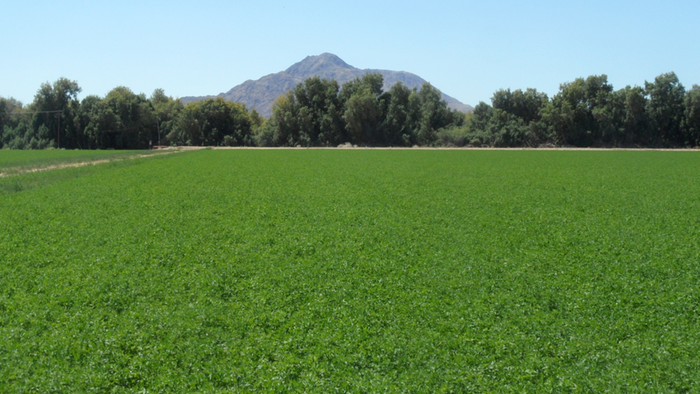
The injunction halting the sale of Roundup Ready alfalfa is one of the most ludicrous and wasteful uses of the court system yet. It has nothing to do with protecting the environment. Northern Federal District Court Judge Charles said so in the preliminary injunction to stop biotech alfalfa seed sales: “Roundup Ready alfalfa does not have any harmful effects on humans or livestock.”

Why in the world, then, is this in court?

Because the anti-biotech/anti-business bunch who filed this wants to stop ag technology. It’s that simple.

In filing to intervene in the case at the hearing on the temporary injunction, Monsanto, Forage Genetics, and three alfalfa growers, including Tulare’s Mark Watte, detail the process and environmental protection rules now in place to preclude pollen “contamination” of organic or conventional alfalfa seed from herbicide-resistant seed production.

For example, isolation of Roundup Ready alfalfa seed fields pollinated by leaf-cutter bees must be nearly double the isolation distance required now for foundation seed production. For honeybee-pollinated transgenic alfalfa seed, the isolation distance is more than 17 times the distance required for foundation seed production.

There’s one even more absurd piece of news from my friends at the Cornucopia Institute.

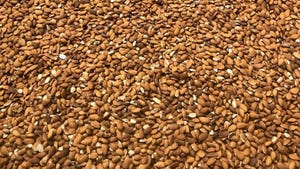
These protectors of the environment are complaining that the government’s rules to treat raw almonds to prevent disease outbreaks are unfair and discriminate against small farms and people who like to eat raw food.

Mark Kastel, senior farm policy analyst at Cornucopia, says the rule is unwarranted, “especially onerous” to small-scale and organic farming. Cornucopia claims the rules proposed for processing raw almonds are too expensive for small growers.

Kastel assures us that “raw produce and nuts are not inherently risky food,” and that contamination occurs when livestock manure or fecal matter is “inadvertently” transferred through contaminated water, soil, or transportation and handling equipment.

And what is a major source of nitrogen in organic production?

It would seem that a organization that wants to “protect” the small family farm would welcome added safeguards for its clientele. Apparently not. Rather this group believes the public is clamoring for raw foods.

“The new rule is another case of the public being deprived of the opportunity to intelligently choose their food supply,” according to Jimbo Someck, who operates four independent natural food stores in the San Diego area.

That is not exactly true, Jimbo, as Cornucopoia points out in its news release. Exempted from the new rules will be roadside farm stands. However, I think I’d rather purchase California almonds someplace where my health is of more concern than protecting the small farmer.

email: hcline@farmpress.com

Get Copyright ClearanceWant to use this article? Click here for options!
© 2008 Penton Media, Inc.


Latest Jobs

resources

events icon events

product info icon tradeshows

tradeshow icon digests

research icon photos

Continuing Education

ACCREDITED IN CALIFORNIA ONLY:


Almond Pest Management

Get the latest info on almond insect pest management and earn 2 hrs. CE DPR and CCA credit in California.

California Groundwater Protection Regulations

Earn 2 hrs. in California laws and regs CE and learn how to protect California groundwater supplies.

(New Course)
Disease Management in California Almonds

Managing diseases in California almond production is a year-long process. This course provides the latest information on controlling these diseases with management practices and fungicides. The course is approved for 2 CEUs by DPR for PCAs and all applicator categories and California CCAs.

Powdery Mildew Control in California Grapevines

Learn about the No. 1 grape disease in California; earn 2 California CE hours.

ACCREDITED IN CALIFORNIA AND ARIZONA:


Insecticide Resistance Management in Agronomic and Row Crops

A 3-hr. CE approved for California and Arizona licensees and CCAs in both states.

Agronomic Weed Resistance Management in Row Crops, Trees Nuts and Vines

Weeds Resistance Management is approved for 3 hours of CE credit for all California and Arizona licensees and Certified Crop Advisers.

Lepidopterous Pest Management/ Pesticide Safety

This course is approved for 2 hours in Arizona and California (1 hr. of laws/regs; 1 hour Other) and for CCAs.

Managing Spray Drift to Minimize Problems

2-hrs laws and regs for California licensees; 2 hours in Arizona and for CCAs.

(New Course)
The Role of Copper in Disease Control

Copper has long been a key tool in disease control in a many crops. This 2-CEU course accredited California PCAs and all DPR applicator categories and Arizona applicators details how best to use copper to maximize its potential.

Back to Top

Browse Print Issues

Additional Resources

subscribe to Farm Press Daily Southeast Farm Press Southwest Farm Press Delta Farm Press