As blooms begins, California farmers protect groves

Apr 6, 2007 11:26 AM


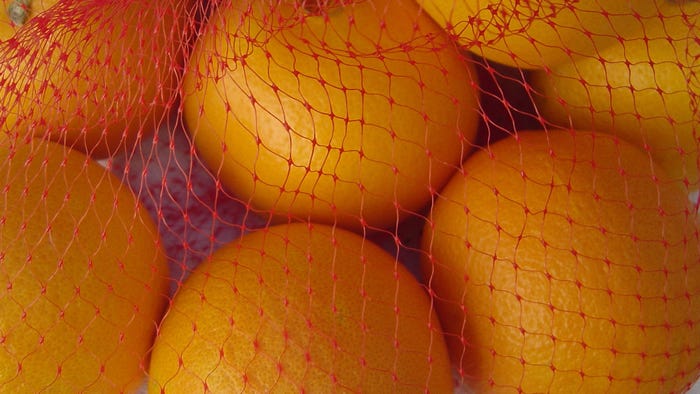
As agricultural officials across the state declare the first citrus bloom period since the January freeze, mandarin growers are stepping up efforts to protect their groves. This time it’s not cold weather they are trying to ward off, it’s honey bees — the second threat this year to the state’s seedless mandarin industry.

While many of the state’s mandarin growers were hard hit in January by one of the most devastating freezes’ ever to hit California, honey bees visiting mandarin groves this month in the San Joaquin Valley citrus belt could spell disaster for next year’s crops, said Joel Nelsen, president of California Citrus Mutual.

“Bees have become a vector for contamination. During bloom, they visit seedless mandarin groves and when it’s time to harvest the fruit, seeds surface,” said Nelsen, of the Exeter-based producers’ trade association that represents growers who farm more than 120,000 acres of oranges, lemons, tangerines and other varieties of California citrus. “Those seeds eliminate any hopes growers have of trying to recover from the freeze.”

It was the 1998 freeze, which caused $700 million in damage to eight California counties, that first brought attention to the mandarin, a seedless, tasty and easy-to-peel orange. Meanwhile, off-shore producers introduced the seedless Spanish Clementine to consumers, capturing their hearts in the process. California growers followed suit and tried to adapt to a more competitive market place, pulling out 30,000 acres of oranges and replacing them with seedless navel and mandarin oranges.

But the road to recovery for growers has been rocky. While growers tried to reduce cross-pollination by isolating their plantings of seedless varieties, bees ultimately became a threat. As commercial bee operations place hives in orchards during bloom, bees feast on pollen and gather nectar to make honey, but they also cross-pollinate the crop leaving the fruit with seeds. It only takes one seed to make a mandarin three to four times less profitable.

“It’s going to be an ever-escalating problem,” said Chris Lange, who farms 1,400 acres of citrus in Tulare and Fresno counties, including seedless varieties. “What the public doesn’t know is that citrus doesn’t need bees for pollination. People think the bees pollinate the blossoms, so the tree can produce fruit and in turn, bees gather pollen and nectar from the trees to make honey, but it really isn’t this great symbiotic relationship.”

By Saturday, citrus bloom periods will be declared in all districts in Tulare, Kern and Fresno counties — some of the largest citrus producing counties in the state. These are the only counties in the state required to publicly notice such periods as citrus/bee protection areas. As the month progresses, all of the state’s citrus groves, which help produce an overwhelming majority of the nation’s fresh oranges, will enter bloom. While their scent is sweet, those blooms will once again alarm mandarin growers to protect their groves.

While there are not many things growers can do to keep bees from groves, they can turn away beekeeper requests to place hives on their property. Such denials will not keep bees away. Bees have been known to fly anywhere from five to nine miles in search of nectar and pollen. Phil Pierre, a consultant who manages citrus properties in Fresno and Madera counties, including a significant number of seedless groves, says one way to be effective is to work with neighbors.

“Our experience is that there’s been a direct correlation with the bee population in our groves around this time — the more bees, the more seeds,” he said. “Hopefully this year we won’t have any commercial beekeepers coming in, but you never know. That’s where our neighbors come in. We have had some sympathetic neighbors who have worked with us. They don’t want to cause problems for our crop.”

But in a year where growers will be trying to recover from the devastating losses of January’s freeze, cross-pollination is just one more obstacle that threatens the livelihood of California’s seedless citrus industry.

John Gless, who runs Gless Ranch in Riverside and Kern counties, said if the state’s seedless citrus varieties suffer, local growers will lose to foreign competition.

“The freeze has a terrible impact, but the seeds will come into play as time goes by and the increase in seeds becomes more apparent. You may be able to get a reduced price, but later on when you are in competition with foreign countries it will get more difficult to compete,” he said.

Denying the bee industry access to citrus groves is not an objective, Nelsen said.

“We are attempting to work with the bee industry and others to reduce the risk to our growers,” he said. “That will allow them to hold their own against off-shore competition and satisfy the consumers’ desire for seedless citrus.”

Get Copyright ClearanceWant to use this article? Click here for options!
© 2008 Penton Media, Inc.


Latest Jobs

resources

events icon events

product info icon tradeshows

tradeshow icon digests

research icon photos

Continuing Education

ACCREDITED IN CALIFORNIA ONLY:


Almond Pest Management

Get the latest info on almond insect pest management and earn 2 hrs. CE DPR and CCA credit in California.

California Groundwater Protection Regulations

Earn 2 hrs. in California laws and regs CE and learn how to protect California groundwater supplies.

(New Course)
Disease Management in California Almonds

Managing diseases in California almond production is a year-long process. This course provides the latest information on controlling these diseases with management practices and fungicides. The course is approved for 2 CEUs by DPR for PCAs and all applicator categories and California CCAs.

Powdery Mildew Control in California Grapevines

Learn about the No. 1 grape disease in California; earn 2 California CE hours.

ACCREDITED IN CALIFORNIA AND ARIZONA:


Insecticide Resistance Management in Agronomic and Row Crops

A 3-hr. CE approved for California and Arizona licensees and CCAs in both states.

Agronomic Weed Resistance Management in Row Crops, Trees Nuts and Vines

Weeds Resistance Management is approved for 3 hours of CE credit for all California and Arizona licensees and Certified Crop Advisers.

Lepidopterous Pest Management/ Pesticide Safety

This course is approved for 2 hours in Arizona and California (1 hr. of laws/regs; 1 hour Other) and for CCAs.

Managing Spray Drift to Minimize Problems

2-hrs laws and regs for California licensees; 2 hours in Arizona and for CCAs.

(New Course)
The Role of Copper in Disease Control

Copper has long been a key tool in disease control in a many crops. This 2-CEU course accredited California PCAs and all DPR applicator categories and Arizona applicators details how best to use copper to maximize its potential.

Back to Top

Browse Print Issues

Additional Resources

subscribe to Farm Press Daily Southeast Farm Press Southwest Farm Press Delta Farm Press