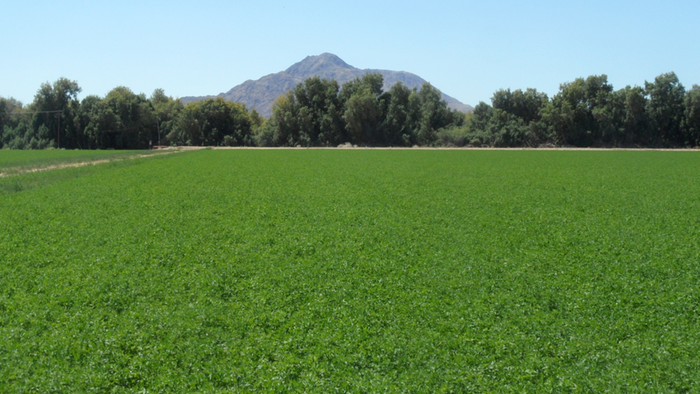
Arizona’s 2009 Durum wheat planted area is estimated at 125,000 acres, down 25,000 acres from 2008. ...
By Elton Robinson, Farm Press Editorial Staff
During climate change talks in Bonn, Germany, June 1-12, developing countries like India and China insisted that the United States and other industrialized countries shoulder the burden of cost in reducing greenhouse gas emissions....
An educational citrus seminar will be held July 10, in Santa Paula, Calif., sponsored by the Citrus Research Board and University of California Cooperative Extension....
It may not always pay for ranchers to use herbicides to kill exotic invasive weeds such as leafy spurge, according to a 16-year study by the Agricultural Research Service (ARS) and colleagues....
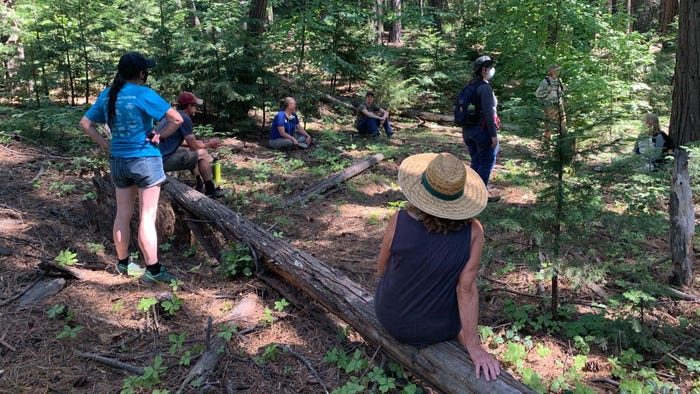
In a wood near you, powerful microbes quicken the decay of fallen tree branches. ...
The June 30, 2009, objective almond forecast for the 2009-2010 crop year is 1.35 billion meat pounds, according to the USDA’s National Agricultural Statistics Service’s (NASS) California Field Office....
By Ray Nabors, Contributing Writer
Crop prices are beginning the annual meteorological reaction. ...
Survey results published in Weed Technology indicate that U.S. farmers in general do not feel a sense of urgency when it comes to developing a deeper understanding of the herbicide glyphosate and its relationship to weed resistance....
The International Fertilizer Industry Association (IFA) released its Fertilizer Outlook 2009-2013....
New research from Agricultural Research Service (ARS) scientists and their university colleagues is shedding light on the relationship between chemical compounds and fescue toxicosis — a disease that affects grazing animals and costs the U.S. cattle industry an estimated $600 million annually....
By Eric Natwick, UCCE Director, Imperial County
Web-spinning spider mites are an annual problem for alfalfa seed producers in the low desert production areas of Southern California and Arizona....
By Elton Robinson
Farm Press Editorial Staff

USDA pegged U.S. rice plantings at 3.018 million acres for 2009, a slight increase over the 2.995 million acres planted in 2008. ...
An informational meeting will be held in Stockton, Calif., July 8, to inform fruit growers and industry members about a new California pest called the cherry vinegar fly....
A key bacterial compound that inhibits the growth of the plant pathogen Fusarium verticillioides has been identified by Agricultural Research Service (ARS) scientists. ...
By Ron Smith
Farm Press Editorial Staff

Greenhouse gas emission legislation will be either a boon to agriculture or a nightmare to farmers and ranchers....
1 | 2 | 3 | 4 | 5 | 6 | 7 | 8 | 9 | 10 | 11 | 12 | 13 | 14 | 15 | 16 | 17 | 18 | 19 | 20 | 21 | 22 | 23 | 24 | 25 | 26 | 27 | 28 | 29 | 30 | 31 | 32 | 33 | 34 | 35 | 36 | 37 | 38 | 39 | 40 | 41 | 42 | 43 | 44 | 45 | 46 | 47 | 48 | 49 | 50 | 51 | 52 | 53 | 54 | 55 | 56 | 57 | 58 | 59 | 60 | 61 | 62 | 63 | 64 | 65 | 66 | 67 | 68 | 69 | 70 | 71 | 72 | 73 | 74 | 75 | 76 | 77 | 78 | 79 | 80 | 81 | 82 | 83 | 84 | 85 | 86 | 87 | 88 | 89 | 90 | 91 | 92 | 93 | 94 | 95 | 96 | 97 | 98 | 99 | 100 | 101 | 102 | 103 | 104 | 105 | 106 | 107 | 108 | 109 | 110 | 111 | 112 | 113 | 114 | 115 | 116 | 117 | 118 | 119 | 120 | 121 | 122 | 123 | 124 | 125 | 126 | 127 | 128 | 129 | 130 | 131 | 132 | 133 | 134 | 135 | 136 | 137 | 138 | 139 | 140 | 141 | 142 | 143 | 144 | 145 | 146 | 147 | 148 | 149 | 150 | 151 | 152 | 153 | 154 | 155 | 156 | 157 | 158 | 159 | 160 | 161 | 162 | 163 | 164 | 165 | 166 | 167 | 168 | 169 | 170 | 171 | 172 | 173 | 174 | 175 | 176 | 177 | 178 | 179 | 180 | 181 | 182 | 183 | 184 | 185 | 186 | 187 | 188 | 189 | 190 | 191 | 192 | 193 | 194 | 195 | 196 | 197 | 198 | 199 | 200 | 201 | 202 | 203 | 204 | 205 | 206 | 207 | 208 | 209 | 210 | 211 | 212 | 213 | 214 | 215 | 216 | 217 | 218 | 219 | 220 | 221 | 222 | 223 | 224 | 225 | 226 | 227 | 228 | 229 | 230 | 231 | 232 | 233 | 234 | 235 | 236 | 237 | 238 | 239 | 240 | 241 | 242 | 243 | 244 | 245 | 246 | 247 | 248 | 249 | 250 | 251 | 252 | 253 | 254 | 255 | 256 | 257 | 258 | 259 | 260 | 261 | 262 | 263 | 264 | 265 | 266 | 267 | 268 | 269 | 270 | 271 | 272 | 273 | 274 | 275 | 276 | 277 | 278 | 279 | 280 | 281 | 282 | 283 | Next
advertisement
(New Course)Biopesticides are increasingly being recommended as components of Integrated Pest Management (IPM) programs in the production of non-organic high-value specialty crops such as fruit, nut, vegetable, vine, ornamental and turf. This online, accredited course, sponsored by Marrone Bio Innovations, details some of the 245 registered biopesticide active ingredients used in a wide array pest management products.
(New Course)This online CE course details sound mechanical irrigation design and management practices to allow efficient chemigation and fertigation. It is accredited for Certified Crop Adviser CE units and is approved for credit hours in California and Arizona.
New chemistry Rynaxypyr has proven effective against a wide range of economically important Lepidoptera species. Marketed under the trade name Altacor for use in grapes, pome and stone fruit, details on how to use this new chemistry are in this online Continuing Education course that is accredited in California, Pennsylvania, and New Jersey with CE applications pending in Oregon and Washington.
Integration of a new mode of action compound like Coragen into IPM and IRM programs to control Lepidoptera in leafy greens, fruiting vegetables, peppers and brassica or cole crops is always welcome. This online CE accredited details how best to use this new mode of action in intensive vegetable production. It is accredited in California, Arizona, Texas, Georgia, New Jersey and Pennsylvania. Application for credit is pending in Florida and Washington.
(New Course)This online accredited course focus on Calcium, an important plant nutrient in fertilizer management for maximum, healthy plant development as well as disease and pest prevention. It is accredited in California, Georgia,: Pennsylvania and New Jersey. Credit pending in Florida, South Carolina, Tennessee, Virginia, West Virginia and Washington.
This online CEU course offers a detailed look at the nutrient management in key California crops. It is sponsored online by Western Plant Health Association and funded by a grant from the California Department of Food and Agriculture Fertilizer Research and Education Program (FREP). It is accredited for one (1)-hour of credit by the California Department of Pesticide Regulation for California Pest Control Advisers (PCA), Private Applicators, Qualified Applicators and Aerial Applicators. The course is also accredited for 3 units in Nutrient Management (NM) for California and Arizona Certified Crop Advisers (CCAs).
(New Course)Organic/sustainable agriculture is expanding rapidly in the U.S. with an average annual increase of 20% during the last 15 years. This course covers a wide range of pests and organic control strategies. It is accredited for up to 4 continuing education hours for PCAs and Applicator Licensees in California, Arizona, Idaho, Oregon and Washington. It is also approved for Certified Crop Adviser credit.
Almond Pest ManagementGet the latest info on almond insect pest management and earn 2 hrs. CE DPR and CCA credit in California.
Earn 2 hrs. in California laws and regs CE and learn how to protect California groundwater supplies.

Managing diseases in California almond production is a year-long process. This course provides the latest information on controlling these diseases with management practices and fungicides. The course is approved for 2 CEUs by DPR for PCAs and all applicator categories and California CCAs.
Powdery Mildew Control in California GrapevinesLearn about the No. 1 grape disease in California; earn 2 California CE hours.

Copper has long been a key tool in disease control in a many crops. This 2-CEU course accredited California PCAs and all DPR applicator categories and Arizona applicators details how best to use copper to maximize its potential.
Insecticide Resistance Management in Agronomic and Row CropsA 3-hr. CE approved for California and Arizona licensees and CCAs in both states.
Agronomic Weed Resistance Management in Row Crops, Trees Nuts and Vines Weeds Resistance Management is approved for 3 hours of CE credit for all California and Arizona licensees and Certified Crop Advisers.
This course is approved for 2 hours in Arizona and California (1 hr. of laws/regs; 1 hour Other) and for CCAs.
Managing Spray Drift to Minimize ProblemsThis online CEU on managing spray drift to minimize problems is accredited for 2-hours in California (Laws and Regs); Arizona, Oregon and Washington.