Tiny wasp could stop stink bug

What is in this article?:

  • Researchers are looking to a non-pesticide solution for the stink bug threat: a tiny wasp imported from China.

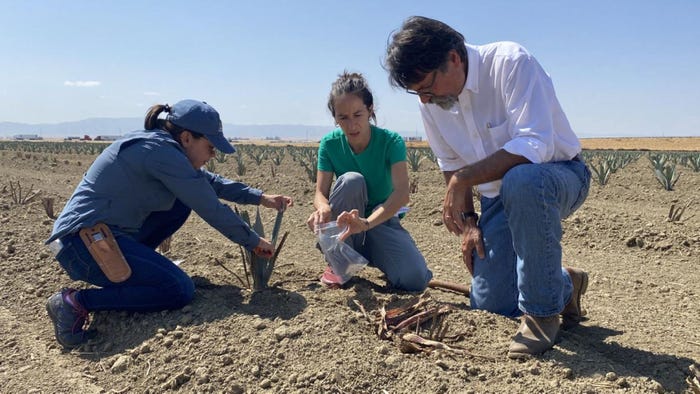
As the brown marmorated stink bug spreads across the state, Oregon State University is studying how to use bug-on-bug warfare to stop this crop-damaging pest.

The insect arrived in the eastern United States in the late 1990s and has since spread to more than 30 states. The non-native bug was found in Portland in 2004 and has since shown up in 13 Oregon counties, including all of the Willamette Valley.

But populations in Oregon are still relatively low in most areas, according to OSU estimates. Although the pest has caused major commercial crop damage in many eastern states, so far it has had minimal impact on Northwest crops.

To keep it that way, OSU researchers are looking to a non-pesticide solution: a tiny wasp imported from China. Smaller than a pinhead, the wasp, known as Trissolcus halyomorphae, lays its eggs in the brown marmorated stink bug's eggs. OSU researchers have produced a video showing this process.

The potential release of the wasp in the field could still be years away as researchers need to first test its behavior in quarantine to determine if it discriminates between the brown marmorated stink bug's eggs and those of other species. Canada and Mexico must also agree to the wasp's introduction.  

"The problem with the introduction of biological control organisms is that bugs don't recognize borders like we do - we don’t want to release something that causes more harm than good," said entomologist Peter Shearer, who's leading OSU's stink bug research. "We want to do this right because rarely do we have an ample opportunity to deal with a problem that has the potential to be this bad."

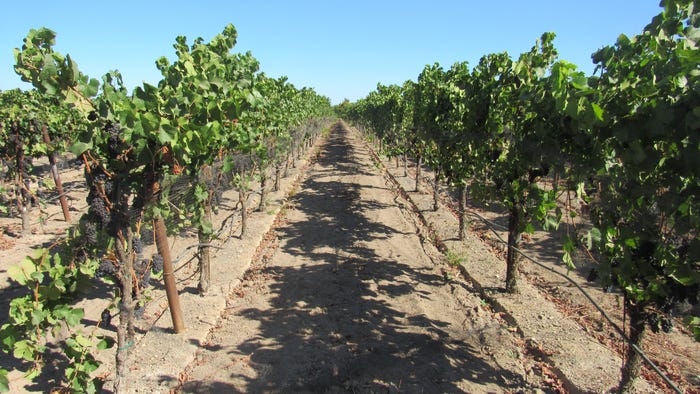
Oregon farmers fear the insect could severely affect crops if its numbers continue to swell. It has already been spotted near some large agricultural operations in Oregon. The bug isn't a picky eater, having shown a taste for more than 100 types of crops, including corn, wine grapes, hazelnuts, pears, apples and sweet cherries.

It leaves behind discolored patches on the food, which is still safe to eat, but the cosmetic blemishes make the products largely worthless in the marketplace.

Discuss this Article 1

Anonymous (not verified)
on Feb 22, 2013

Thought needs to be given to the introduction of a non-native species (wasp) and its potential consequence on native populations.

In the past this practice has put a species into a new environment w/o natural enemies, and unintended results have occurred. .

Post new comment
Sign In or register to use your Western Farm Press ID
(optional)

Continuing Education Courses
This accredited CE course focuses on choosing the correct variety alfalfa based on a number of...
New Course
The 2,000-member Weed Science Society of America’s (WSSA) Herbicide Resistance Action...

The course details six of the primary diseases affecting citrus: Huanglongbing (Citrus...

Newsletter Signup