Salt build-up adds to water crisis

California Department of Water Resources’ (DWR) first snow survey of the season was encouraging, I think.

Snow surveyors say the water content of the early-season snow pack is 85 percent of normal. The December reading was better than last year when it was 76 percent for the same time.

However, DWR points out the obvious; the drought is not over. It may never end until more water storage is developed for the state’s 38 million – and growing – people.

Water storage levels in the state’s major reservoirs are very low. Environmental restrictions on water deliveries from the Sacramento-San Joaquin Delta to protect endangered fish species continue to hang over the state’s ability to increase water deliveries to towns and farms. In fact, DPW says increased precipitation this winter could actually increase water-for-fish allocations.

DWR estimates that fishery agency restrictions on Delta pumping adopted in the past year to protect Delta smelt, salmon and other species – including Killer Whales – could reduce annual deliveries of State Water Project water by up to 30 percent.

The state’s water crisis will not end in 2010, regardless of how deep mountain snow gets.

The ongoing water availability crisis is creating another, more insidious predicament for farmers who are skimping by on what surface water is delivered, supplemented by well water.

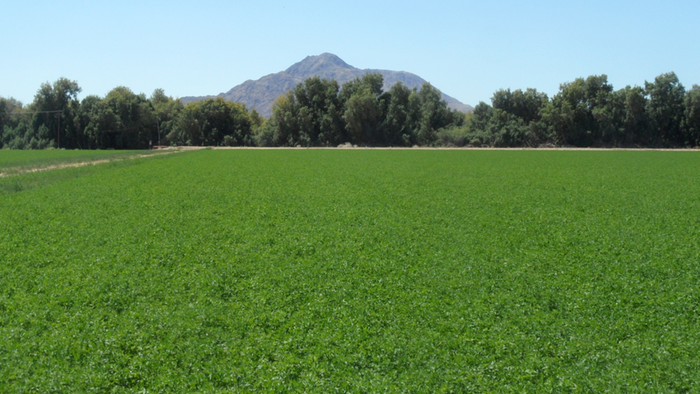
Several pest control advisers (PCAs), farm managers and farmers are starting to bring up the issue of salt build-up in the soil on the West Side of the San Joaquin Valley.

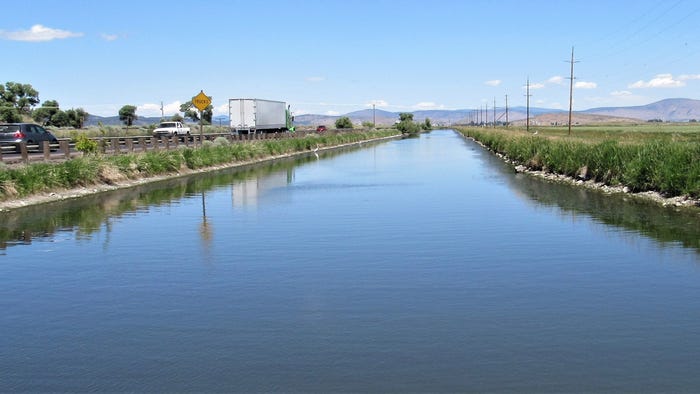
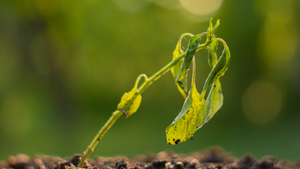
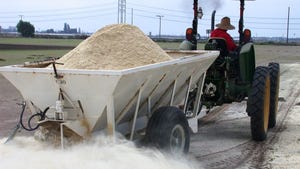
When water is imported into a farming area, salts come with it. Regardless of how “pure” the snowpack water may be, it contains salts. Compounded over many years, this salt can kill the fertility of the soil.

Well water is generally more salty than surface water, exasperating the salt build-up problem.

Rainfall is not high enough in California to leach out salts. Farmers need large amounts of imported, pure water to leach salts from crop root zones. Without leaching, the soil will eventually become sterile and unproductive.

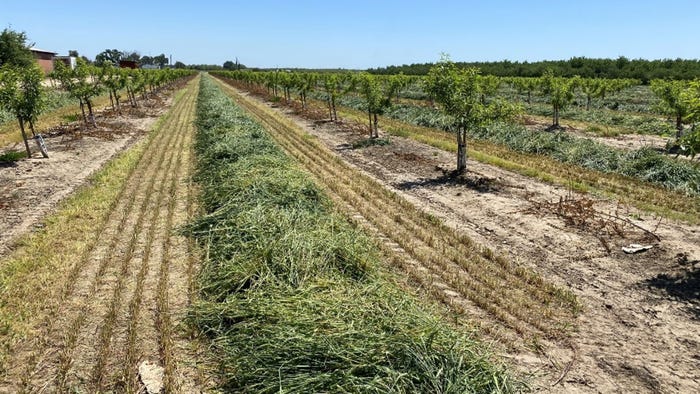
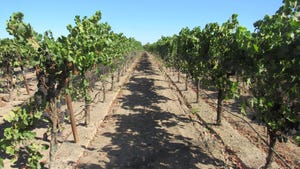
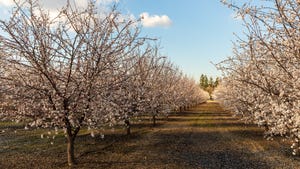
Thousands of acres of California open farmland and orchards and vineyards have been converted to drip or micro irrigation in the past couple of decades. This conversion from furrow or flood irrigation has been primarily to irrigate more efficiently with reduced water supplies. However, another benefit has been that constantly irrigating with small amounts of water in the root zone keeps a rather narrow band around roots salt free. This element can actually be equivalent in importance to reduced water use. However, it only staves off the inevitability of long-term salt build-up without aggressive leaching.

The upcoming $11 billion water bond issue will become a major news topic as we move closer to the November vote. Water availability will be the primary push to get voters to approve the bond issue. However, salt build-up related to the water shortage is a very real issue in looking at the state’s water crisis and the future of California agriculture.

email: hcline@farmpress.com

Discuss this article 0

Post new comment

Sign in or Register to use your Western Farm Press ID

(optional)
CAPTCHA
This question is for testing whether you are a human visitor and to prevent automated spam submissions.
Incorrect please try again
Enter the words above: Enter the numbers you hear:
Sign Up
Sign Up!

For the Western Farm Press Newsletter
Keep up with the latest news with our daily newsletter

Continuing Education Courses
New Course

Integrated weed management (IWM) programs and orchard cultural practices have been developed for specific orchard and vineyard crops. This accredited CEU provides information on economically and environmentally sound IWM practices.

New Course

American agriculture exports 20 to 30 percent of its production annually. For specific commodities, the percentage is much higher. When recommending and applying pest management products for crops, license Pest Control Advisers (PCAs) and applicators and farmers must be aware of which products applied are in compliance with Maximum Residue Levels (MRLs) established by foreign customers

New Course

This online accredited course focus on Calcium, an important plant nutrient in fertilizer management for maximum, healthy plant development as well as disease and pest prevention.