Honey bees run the world

  • More than 80 percent of the world’s flowering plants require a pollinator to reproduce. Animals that assist plants in their reproduction as pollinators include: species of bats, butterflies, moths, flies, birds, beetles, ants, and bees.

Every time you walk into your garden to enjoy a beautiful flower or pick a fruit, think about thanking a bee, butterfly or hummingbird. These and other kinds of animals are pollinators and the subject of USDA’s participation in the North American Pollinator Protection Campaign which celebrates National Pollinator Week June 18-24.

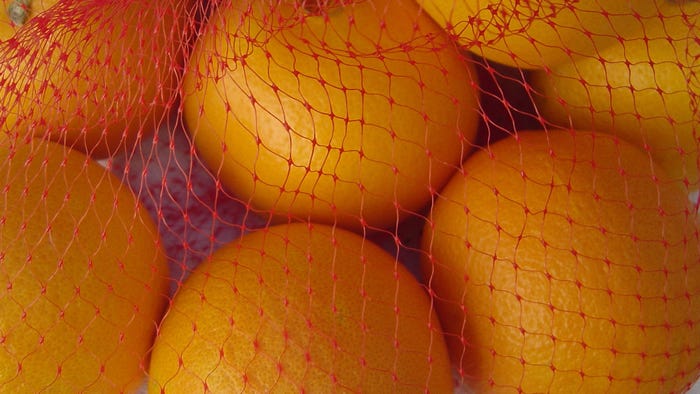
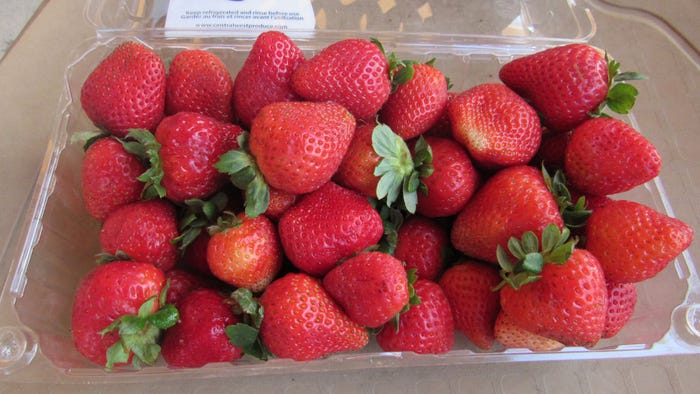
Think about the abundance of fruits and vegetables bountifully displayed when you visit a local supermarket or farmers market. That wealth of choice resulted from the thankful activity of the essential world of pollinators.

Pollinator species provide significant environmental benefits necessary for healthy, biodiverse ecosystems. USDA assists producers in promoting wise conservation stewardship, including the protection and maintenance of pollinators, and their habitats on working lands and wildlands. More than 80 percent of the world’s flowering plants require a pollinator to reproduce. Animals that assist plants in their reproduction as pollinators include: species of bats, butterflies, moths, flies, birds, beetles, ants, and bees.

Why do pollinators visit flowers? Pollinators visit flowers in search of food, mates, shelter and nest-building materials.  The secret bond of the partnership is that neither plant nor pollinator populations can exist in isolation – should one disappear, the other may be one generation away from disaster.

Pollinators obtain food in the form of energy-rich nectar and/or protein-rich pollen from the flowers they visit. In return, the pollinated flowers are able to develop and produce seed.  While food is often a sufficient lure for pollinators, flowering plants also attract pollinators using a combination of shape, scent and/or color. For example, some plants use mimicry to deceive animals into visiting their flowers without having to provide a reward. The PollinatorLIVE distance learning program for young students has more information on the health of the pollinator population.

So, the next time you enjoy a slice of watermelon or pumpkin pie, take a moment and thank the pollinator that made it all possible.

Learn more about pollinators from the U.S. Forest Service.

Discuss this Article 9

Anonymous (not verified)
on Jun 25, 2012

Here the local beekeeping group has been saying that their honey bees are the only important pollinators and without their honey bees we'd be left with grains and roots at the table. Beekeeping organizations are like strong armed bullies, and more dishonest than politicians. Thanks for ruining the environment on a global scale.

Anonymous (not verified)
on Jun 30, 2012

You must be referring to the most recent scientific journal articles' determination that colony collapse disorder is caused by a deadly insect virus, being spread across the planet (except Australia) by the varroa mite.

http://www.marketwatch.com/story/two-high-impact-journals-publish-new-pa...

http://sciences.blogs.liberation.fr/files/abeille-varroa-virus.pdf

http://www.plospathogens.org/article/info%3Adoi%2F10.1371%2Fjournal.ppat...

Anonymous (not verified)
on Jul 3, 2012

I've been reading for months that pesticides are causing colony collapse disorder, but then I just came across this thorough article regarding pesticides and bees: http://boingboing.net/2012/05/07/the-honeybees-are-still-dying.html

James H Pritchett (not verified)
on Jul 4, 2012

The way that I see it no bees, no honey. I would not want honey from a bat.

James H Pritchett
Martin, TN 38237

Anonymous (not verified)
on Jul 6, 2012

Bats don't make honey, that's bat piss!

James H Pritchett (not verified)
on Jul 4, 2012

So, are we O K when all the honey bees are gone ?

I DO NOT WANT honey from a bat ! ! ! ! ! ! !

James H Pritchett (not verified)
on Jul 4, 2012

So, are we O K when all the honey bees are gone ?

I DO NOT WANT honey from a bat ! ! ! ! ! ! !

James H Pritchett (not verified)
on Jul 4, 2012

It's great to have other species for pollination, other than bees. We can probably add the wind also. I do not want honey from a bat ! ! ! !

There is wide spread job's with bee hives across the U S A. Trucking, processing honey, warehousing, etc.

Bee's / Honey / polluntation / etc. is definately needed across AMERICA

Don't let aboma send this to china ! ! ! !

GOD BLESS AMERICA

James H Pritchett
Martin, TN 38237

Anonymous (not verified)
on Jul 6, 2012

You ask God to Bless America just after you welcome the Four Horsemen of the Apocalypse; one horseman being the beekeepers and their honey bees that are radiating pests and pestilence, eventually resulting in higher food prices and famine? False prophets aka bee experts deceiving the naive with propaganda? Short term money flow with long term consequences? How does Obama fit into this? Open our arms to the New World Order?

Post new comment
Sign In or register to use your Western Farm Press ID
(optional)

Continuing Education Courses
This accredited CE course focuses on choosing the correct variety alfalfa based on a number of...
New Course
The 2,000-member Weed Science Society of America’s (WSSA) Herbicide Resistance Action...

The course details six of the primary diseases affecting citrus: Huanglongbing (Citrus...

Newsletter Signup