GMO research again points to safety of biotechnology

  • In order to help inform debate on genetically modified organisms, the European Commission is publishing a compendium entitled A decade of EU-funded GMO research.
  • According to the projects' results, there is no scientific evidence associating GMOs with higher risks for the environment or for food and feed safety than conventional plants and organisms.
  • According to the findings of these projects GMOs potentially provide opportunities to reduce malnutrition, especially in lesser developed countries, as well as to increase yields and assist towards the adaptation of agriculture to climate change.

In order to help inform debate on genetically modified organisms, the European Commission is publishing a compendium entitled A decade of EU-funded GMO research. The book summarizes the results of 50 research projects addressing primarily the safety of GMOs for the environment and for animal and human health. Launched between 2001 and 2010, these projects received funding of €200 million (approximately $300 million) from the EU and form part of a 25-year long research effort on GMOs.

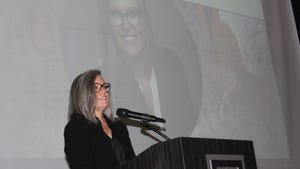
European Commissioner for Research, Innovation and Science Máire Geoghegan-Quinn said, "The aim of this book is to contribute to a fully transparent debate on GMOs, based on balanced, science–based information. According to the findings of these projects GMOs potentially provide opportunities to reduce malnutrition, especially in lesser developed countries, as well as to increase yields and assist towards the adaptation of agriculture to climate change. But we clearly need strong safeguards to control any potential risks."

A publication for scientists, policy-makers and other stakeholders

This new publication aims to contribute to the debate on GMOs by disseminating the outcomes of research projects to scientists, regulatory bodies and to the public. It follows up previous publications on EU-funded research on GMO safety. Over the last 25 years, more than 500 independent research groups have been involved in such research.

According to the projects' results, there is, as of today, no scientific evidence associating GMOs with higher risks for the environment or for food and feed safety than conventional plants and organisms.

Many of the research projects described in the book were launched to address scientific questions in areas of known public concern about the potential environmental impact of GMOs, about food safety, and about the co-existence of GM and non-GM crops.

The book includes results from research projects working on:

• Developing analytical tools and methods for detecting GMOs in food and feed (GMOCHIPS, QPCRGMO) - supporting EU policies on labelling and traceability of GM food and feed.

• Developing new safety assessment approaches on the potential health effect of GM food (ENTRANSFOOD, GMOCARE, SAFOTEST, NOFORISK, GMOBILITY, GMSAFOOD).

• Crop improvement by genetic modification, such as resistance to pathogens – from fungi (EURICE) and viruses (TRANSVIR) to nematodes (NONEMA);

• Improving the sustainability of agriculture by enhancing the nitrogen use efficiency of crops (SUSTAIN).

• Managing gene flow, gene transfer and coexistence of GMO and non-GMO (ANGEL, TRANSBAC, SIGMEA, CO-EXTRA, TRANSCONTAINER).

• Assessing effects of GMO on biodiversity (BT-BIONOTA, ECOGEN, POTATOCONTROL).

Background

Since 1982, the European Commission has invested over €300 (approximately $400 million) million on research on the bio safety of GMOs

A decade of EU-funded GMO research (2001-2010):

http://ec.europa.eu/research/biosociety/library/brochures_reports_en.htm

EC-sponsored research on Safety of Genetically Modified Organisms (1985-2000)

http://ec.europa.eu/research/quality-of-life/gmo/

Discuss this article 10

Hopefully the naive will not buy into the belief that manipulated/gene spliced facsimiles that appear to be food are real. Science creates research outcomes based on the parameters of the information tested. Simple health formula> Live in harmony with Nature and you cannot go wrong. Nature is not Genetically Modified!

By Jerry Nowacki (not verified)  on Dec 16, 2010

For thousands of years NATURAL/REAL food sources have served mankind perfectly. Nature encompasses all of life. And provided what is necessary There is NO Science that replaces Nature. Science is a belief system subject to change or manipulation. How can you improve on what is (NATURE) already historically proven to be perfect? As chemical pesticide use and chemicals in general have proliferated human health has been affected with more disease. Eat right! Eat clean don't buy into the disease machine...

By Jerry Nowacki (not verified)  on Dec 16, 2010

GM Soybeans are already beginning to spit out or die before they ready, plants are a life and any foreign body in there will have devastating....
they want to control your food, buy organic and any food manufactors producing organic Say ITS NON GM, so people can know...

By Anonymous (not verified)  on Dec 16, 2010

also there should be a rule and people should complain, like a GM tomatoe etc can not be called a tomatoe, if there is a gene of a slug or rat or human etc etc inside... fight for your right, otherwise its too late

By Anonymous  on Dec 16, 2010

One can buy a lot of sets of blinders with 200 million euros.

By rockpicker (not verified)  on Dec 16, 2010

Let's all make sure that the European Commission gets all the GMO they can eat.

By Denmason (not verified)  on Dec 17, 2010

In the future everyone will be famous for 15 minutes.

By anoftonymbofs (not verified)  on Mar 10, 2011

When digging ceases to be a great game and becomes, as in Egypt, merely business, it will be a bad thing.

By agogneeby (not verified)  on Mar 15, 2011

And what it depends on, of course, is whether the story itself is worth the ethical compromise it requires and whether the competition is onto the story.

By emonypewego (not verified)  on Apr 5, 2011

If I could get my membership fee back, I'd resign from the human race.

By emonypewego (not verified)  on Apr 6, 2011
Post new comment
Sign In or register to use your Western Farm Press ID

(optional)

Continuing Education Courses
New Course
The 2,000-member Weed Science Society of America’s (WSSA) Herbicide Resistance Action...
New Course

The course details six of the primary diseases affecting citrus: Huanglongbing (Citrus...

Get the latest info on almond insect pest management. California: 2 Hours "Other"
Farmer-to-Farmer Used Equipment