Climate change impact approaching for agriculture, forestry

What is in this article?:

  • Two new USDA reports are not comforting with claims that increases in temperatures, atmospheric carbon dioxide, altered precipitation patterns and increasing extreme weather events will definitely influence agriculture.

The USDA has released two comprehensive reports on expected effects of climate change on agriculture and forestry. The reports --Climate Change and Agriculture: Effects and Adaptation and The Effects of Climate Variabilityand Change on Forest Ecosystems: A Comprehensive Science Synthesis for the U.S. Forest Sector -- will be part of the upcoming National Climate Assessment.

Access both reports here.

The reports’ predictions are not comforting with claims that increases in temperatures, atmospheric carbon dioxide, altered precipitation patterns and increasing extreme weather events will definitely influence agriculture. And while some crops may actually benefit and expand into areas once impossible to grow in, the overall picture is not rosy. Management of weeds, insect pests, and diseases will gain even more importance in coming years.

“The National Climate Assessment is produced every four years,” said Bill Hohenstein, Director of the Climate Change Program Office in USDA’s Office of the Chief Economist during a Feb. 7 interview with Farm Press. “That is done to meet a statute called the Global Change Research Act, which was passed in 1992.

“So, government-wide, the United States puts out a comprehensive synthesis of climate change science. The last one came out in 2009. This one – out for public comment, right now -- will come out (this year). Generally, it takes a couple of years to pull a report like this together.”

While the topic of climate change remains controversial, climate change proponents do include farmers. In a letter to Congress released shortly after the USDA reports, National Farmers Union President Roger Johnson said, “Mitigating and adapting to climate change is of significant concern to our membership and will be a defining trend that shapes the world. National Farmers Union has long played a leadership role in the agriculture community in regard to addressing the challenge of climate change. Our members are acutely aware of changing weather patterns and extreme weather events that affect their operations.”

Among Hohenstein’s other comments:

Regarding findings on row crops…

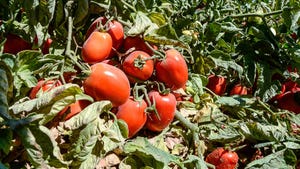
“The report does go through the major commodity crops and what can be expected.

“The other part of the story that’s very important is what will happen regionally. How is climate change expected to play out in, say, the Southeast, the Southwest, or the Northeast? The implications regionally are expected to be different.

“We’re obviously worried about higher temperatures and their effects on cropping systems, moisture. But there are a variety of implications. Especially over the next 20 to 30 years, there will be a mix of consequences for agriculture.

“One is we expect longer growing seasons. For some crops, ranges within the United States will expand. Also, the effects on rainfall won’t be evenly distributed across the country. Some regions will see an increase in rainfall and moisture availability.”

On the effects on the livestock sector…

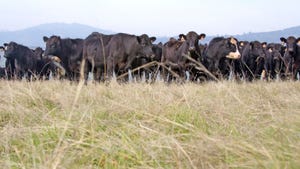
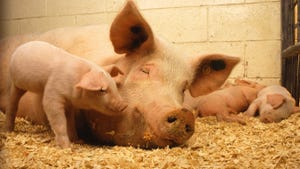
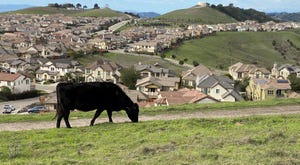
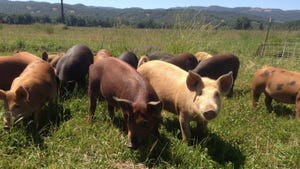
“The report has a section on livestock production. Many of the effects are a function of temperature.

“Again, you see two types of impacts. One is the negative effects of low winter temperatures. In the summer, there will be greater heat stress and with that comes losses in production and sometimes mortality.”

Discuss this Article 2

Kevin Severns (not verified)
on Feb 18, 2013

Unfortunate...Western Farm Press has officially bought into the Global Warming hoax...
Climate Change is an unalterable fact of life...(was mankind around to trigger the Ice Age?) As always, Agriculture (if allowed to) will adapt.
What are the sources for this article?...Two "comprehensive" USDA reports!...is there any possibility that the USDA might be pushing an Agenda? Hmmmm.

Anonymous (not verified)
on Feb 18, 2013

When there is proof the CO2 is warming the atmosphere these articles will be of some value. Untill then many other problems are more worthy of the print space.

Post new comment
Sign In or register to use your Western Farm Press ID

(optional)

Continuing Education Courses
This accredited CE course focuses on choosing the correct variety alfalfa based on a number of...
New Course
The 2,000-member Weed Science Society of America’s (WSSA) Herbicide Resistance Action...

The course details six of the primary diseases affecting citrus: Huanglongbing (Citrus...

Newsletter Signup