50 billion quarter-pounders, compliments of the ethanol industry

  • Fuel and feed are at the heart of American ethanol production today. As one of the largest feed producing segments in the US, the ethanol industry is providing increasing volumes of highly nutritious livestock feed for domestic and international markets alike, according to a new analysis from the Renewable Fuels Association (RFA) entitled “Fueling a Nation; Feeding the World.”

Fuel and feed are at the heart of American ethanol production today. As one of the largest feed producing segments in the US, the ethanol industry is providing increasing volumes of highly nutritious livestock feed for domestic and international markets alike, according to a new analysis from the Renewable Fuels Association (RFA) entitled “Fueling a Nation; Feeding the World.”

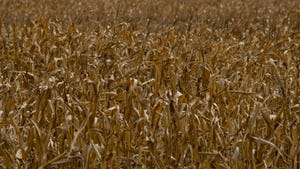
Too often, discussions of the ethanol industry’s impact on global grain use forget to recognize the fact that the grain ethanol process results in renewable fuel and highly nutritious animal feed. In modern ethanol production processes, one-third of every bushel of corn used is returned to the livestock feed market. Ethanol production requires only the starch portion of a corn kernel. The remaining protein, fat, fiber, and other nutrients are returned to livestock feeders.

According to the RFA report, America’s ethanol producers supplied nearly 35 million metric tons (mmt) of livestock feed in the 2009/2010 marketing year (the agricultural marketing year is from September 1 to August 31 of the following year). By volume, such production is greater than the total amount of grain consumed by all of the beef cattle in the nation’s feedlots.

For the current 2010/2011 marketing year, feed production from the ethanol industry is projected at 39 mmt. By way of comparison:

  • if the 39 mmt of livestock feed was a country’s corn crop, it would represent the 4th largest crop in the world.
  • 39 mmt of livestock feed would be enough feed to produce 50 billion quarter-pound hamburgers – seven patties for each person on the planet.
  • 39 mmt of livestock feed would be enough to produce one chicken breast for every American every day for a year.

American feed production by ethanol plants is also a growing portion of global livestock diets. Nearly 25 percent, or 9 mmt, of the distillers grains produced in 2010 was exported, with the leading recipients being China, Mexico, and Canada.

Livestock feed production at American ethanol biorefineries is broken down into a number of products depending upon the process used to produce ethanol. The vast majority of this feed is called distillers grains. Distillers grains come in various forms but make up more than 90 percent of the product produced. Other segments of the market include corn gluten feed and corn gluten meal.

While the more than 13 billion gallons of ethanol produced by US ethanol biorefineries each year remains the largest revenue generator for the industry, livestock feed production represented nearly $4 billion in income in 2010 and that figure is likely to nearly double in 2011. Feeding products like distillers grains to livestock reduces feed costs for beef, poultry, swine and dairy providers alike.

The entire report, complete with detailed facts on the size and scope of the industry, is available here.

Discuss this article 2

The "nutritious" animal feed by-product of ethanol is banned by a number of important US trading partners (i.e. Canada, China, others) because it is suspected of making animals sick, and may contribute to e-coli formation in their intestinal tracts. This is the feed the ethanolics are force feeding via the Supermarkup to the World

By Anonymous (not verified)  on May 10, 2011

The ethanol industry is not producing feed. It is simply salvaging a portion of the feed it is taking out of the supply chain. The starch that is taken out of the corn is the part of the corn that is vital in poultry and livestock rations. While corn can be used for up to 70% of many rations the distiller's grain can only be used as a much lower percentage of the ration in most cases. What you pay is often more important than what you save. According to RFA's figures we are sacrificing a corn crop that is twice as large as the 4th largest crop in the world. We are sacrificing enough corn to produce 100 billion quarter-pound hamburgers--14 patties for each person on the planet. We are sacrificing enough corn to produce two chicken breasts for every American every day for a year. Can we afford the sacrifice? The bottom lines of protein producers and the food prices in the grocery store say "NO WE CAN'T" no matter what the RFA claims.

By David2 (not verified)  on May 10, 2011
Post new comment
Sign In or register to use your Western Farm Press ID
(optional)

Continuing Education Courses
New Course
The 2,000-member Weed Science Society of America’s (WSSA) Herbicide Resistance Action...
New Course

The course details six of the primary diseases affecting citrus: Huanglongbing (Citrus...

Get the latest info on almond insect pest management.
Farmer-to-Farmer Used Equipment