Water issues, struggling dairies cloud California agriculture

What is in this article?:

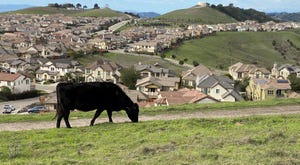
  • The Western dairy industry is headed into another down year in what has become a series of three-year cycles of economic pinnacles and troughs.
  • The availability and cost of water to irrigate crops and the economic health of the dairy industry have direct impacts across California agriculture.
  • Without adequate storage to capture excess moisture in years like 2011, water deliveries have fallen dramatically this year compared to last.

More About:

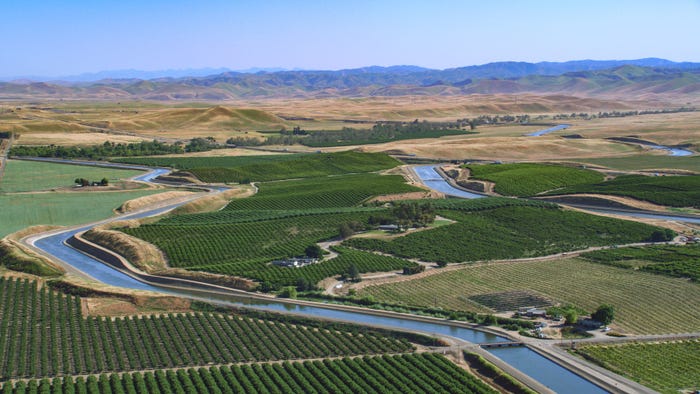
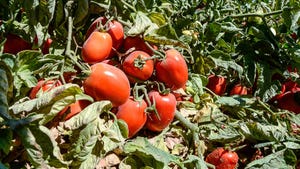
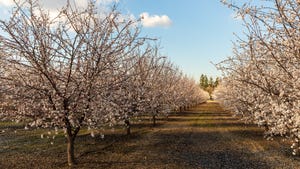
California agriculture is the most diversified in the world with roughly 400 different commercial crops.

However, there are two elements that intrinsically tie together just about every segment of the state’s No. 1 industry. The obvious is water. The other is not so apparent — the dairy industry.

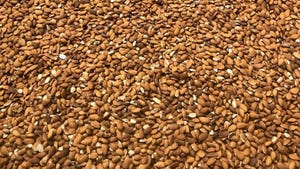
Dairymen use a wide array of commodities to feed and care for their animals. Dairy cows are fed everything from alfalfa to almond hulls, to rice hulls, cottonseed, byproducts from ethanol production, silages of all sorts, cull vegetables and the list goes on. They use grain straw for bedding and have even been known to use harvested cotton stalks for the same thing.

Dairymen try to supply themselves with much of what they consume; however, they are significant buyers of many of the state’s biggest commodities.

The availability and cost of water to irrigate crops and the economic health of the dairy industry have direct impacts across most of California agriculture. Unfortunately, the outlooks for both water and dairy are not too bright right now, according to a leading water attorney and CPA who watches over the finances of dairies across the West.

(For more, see: US not prepared for growing water crisis)

Water attorney Gary Sawyers of Fresno detailed how dramatically California’s water supply can change at the annual Spring Outlook Conference in Visalia, Calif., sponsored by the California Chapter of the American Society of Farm Managers and Rural Appraisers.

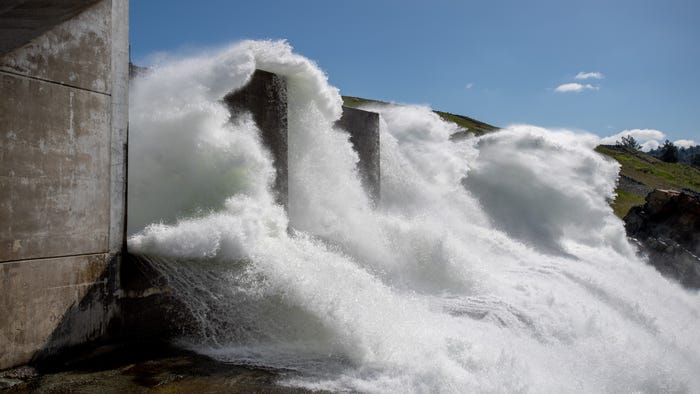
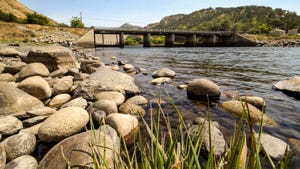
Last year was one of the wettest on record. This year has so far been one of the driest. Without adequate storage to capture excess moisture in years like 2011, water deliveries have fallen dramatically this year compared to last.

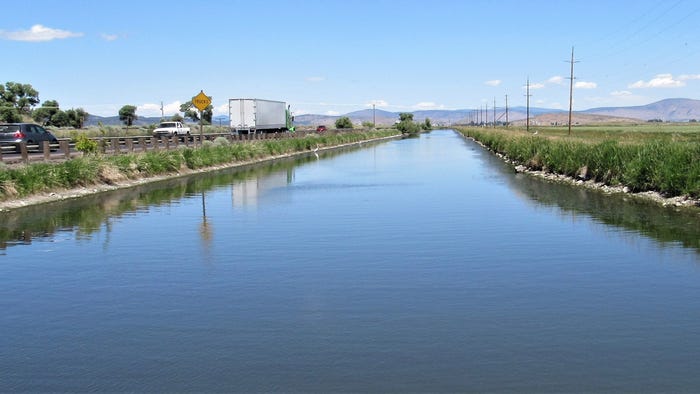
To date, promised deliveries from state and federal water projects range from 35 percent to 50 percent of contracted water. Recent storms may result in more water. Last year irrigation districts were just about giving away surplus water.

Snowfall and rainfall have been heavier in Northern California this year, but Sawyers says if growers there are willing to sell water to the Central Valley, it could not move through the Delta due to environmental constraints.

“If growers want to buy supplemental water, they will have to buy it south of the Delta.”

The plight of the state’s water supply is not only impacted by the lack of storage and rain/snow, but by environmental lawsuits, like the one which forced the San Joaquin River restoration settlement. Friant water users gave up 200,000 acre feet for river restoration as part of an environmental lawsuit settlement.

Part of that settlement is an agreement to re-circulate river restoration water back to Friant water users. However, Sawyers says so far that has not happened. Recirculated water gets as far as San Luis Reservoir near Los Banos, Calif., where it is sold to other valley water contractors nearer to the reservoir.

The river restoration has become expensive with the bill expected to be now “well north of $1 billion.” However, there was no money allocated to implement the settlement agreement, and Congress has not provided funds.

“The money is just not there,” says Sawyer. “The settlement is struggling and water is (still) being taken from Friant” for river restoration.

Discuss this Article 2

John Parker (not verified)
on Apr 19, 2012

After mentioning that California is important for produciton of 400 commodities, providing data for some of them would be interesting.

stuart
on May 8, 2013

Many thanks for this brilliant post! Many points have extremely useful. Hopefully you'll continue sharing your knowledge around.
latex mattress reviews

Post new comment
Sign In or register to use your Western Farm Press ID

(optional)

Continuing Education Courses
This accredited CE course focuses on choosing the correct variety alfalfa based on a number of...
New Course
The 2,000-member Weed Science Society of America’s (WSSA) Herbicide Resistance Action...

The course details six of the primary diseases affecting citrus: Huanglongbing (Citrus...

Newsletter Signup