Organic wine making market inroads

  • Wines that are sold as “made with organic grapes” have different requirements than organic wine: 100 percent of those grapes used must be certified organic. Agricultural ingredients aren’t required to be organic, but have to be produced without excluded methods (like genetic engineering).

According to a 2011 survey by the Organic Trade Association, organic beverages made up about 12% of total organic food sales growth. Organic wine contributed to that growth, matching pace with conventional wine purchases. So what is organic wine?

As with other USDA organic products, organic wine is made without using prohibited substances or genetic engineering (see Allowed and Prohibited Substances). It undergoes the same rigorous requirements of USDA organic certification as other products throughout its lifecycle (see Five Steps to Organic Certification). And, in addition to being overseen by the USDA National Organic Program, it has to meet the requirements of the Alcohol and Tobacco Tax and Trade Bureau, especially for sulfite labeling requirements.

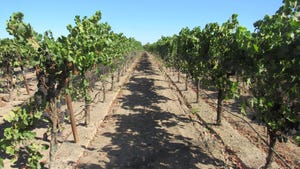
Before wine can be sold as organic, both the growing of the grapes and their conversion to wine must be certified. This includes making sure grapes are grown without synthetic fertilizers and in a manner that protects the environment and preserves the soil. Other agricultural ingredients that go into the wine, such as yeast, also have to be certified organic. Any non-agricultural ingredients must be specifically allowed on the National List of Allowed and Prohibited Substances (see Allowed and Prohibited Substances) and can’t exceed 5 percent of the total product. And, while wine naturally produces some sulfur dioxide (sulfites), they can’t be added to organic wine. Sulfites are commonly added to wines to stop the fermentation process or preserve the flavor profile.

Wines that are sold as “made with organic grapes” have different requirements than organic wine. When a wine is labeled as being made with organic grapes, 100 percent of those grapes used must be certified organic. Yeast and any other agricultural ingredients aren’t required to be organic, but have to be produced without excluded methods (like genetic engineering). As for non-agricultural ingredients, these have to be specifically allowed on the National List. Finally, sulfites may be added to wines that carry the “made with organic grapes” label—up to 100 parts per million.

Organic wine is produced all over the world. Regardless of whether it comes from the European Union, Latin America or South Africa, wine that’s sold as organic in the U.S. has to meet strict standards. Organic wine produced in the U.S. can currently be exported to Canada, the European Union, Japan, and Taiwan. These trade partnerships create new markets for organic winemakers in the U.S. To find out more about organic wine, check out the National Organic Program’s new organic wine fact sheet.

Discuss this Article 0

Post new comment
Sign In or register to use your Western Farm Press ID
(optional)

Continuing Education Courses
This accredited CE course focuses on choosing the correct variety alfalfa based on a number of...
New Course
The 2,000-member Weed Science Society of America’s (WSSA) Herbicide Resistance Action...

The course details six of the primary diseases affecting citrus: Huanglongbing (Citrus...

Newsletter Signup