Second regulatory brogan to drop on California agriculture

What is in this article?:

  • There's a new quagmire emerging for California agriculture: fertilizer use regulations.
  • Eventually fertilizer use reporting will become another regulatory requirement for California. It may come through the California Department of Food and Agriculture or through the regional boards, but it’s definitely coming.

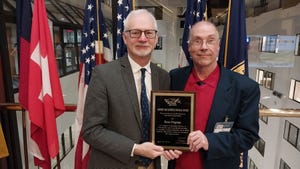
At the WPHA annual conference, from left: John Smith of Bayer CropScience took over as 2013 board chairman; Jay Yost of IAP won the WPHA Lifetime Achievement Award; Jim Tuttle of Brandt Monterey Company won the association’s Integrity Award, and outgoing 2012 Chairman Ron Naven of Yara North America presented the awards.

California agriculture has survived well despite a regulatory morass that until now has revolved pretty much around pesticides.

Now there’s a new quagmire emerging: fertilizer use regulations. Sacramento water quality attorney Tess Dunham told the Western Plant Health Association’s annual conference in Carlsbad, Calif., what members did not want to hear about fertilizer while the new director of California Department of Pesticide Regulation (DPR) was delivering surprisingly upbeat news and praise for the pesticide industry.

Brian Leahy’s appointment as DPR director by Gov. Jerry Brown earlier this year was met with skepticism by many in agriculture because of his background in organic farming and with environmental groups often at odds with the majority of farmers and ranchers.

However, at WPHA, Leahy had high praise for rank and file agriculture in meeting substantial challenges like Volatile Organic Compounds (VOCs) and air quality and providing a safe, pesticide-free food supply.

One of the gnarliest issues facing California agriculture is finding replacements for fumigants like methyl bromide. Leahy pledged support and funding to find effective alternatives.

DPR is also becoming more open with Leahy’s brown bag lunches, where ag groups are invited to DPR in Sacramento to make presentations to department personnel to better acquaint them with what’s going on in the fields.

Leahy provided a straightforward view of DPR in meeting new challenges with scientific approaches.

Dunham, however, painted a patchwork quilt of the contrasting water quality regulations ahead for agriculture. How farmers meet new groundwater and surface water regulations will depend on where they farm.

“We do not do anything easy in California,” remarked Dunham, detailing all the state and regional agencies meddling in state and federal water quality regulations.

Much of what is happening on the water quality regulatory front focuses on two of the nine regional water quality control boards; Central Coast (Region 3) and the Central Valley (Region 5).

Region 3 is probably the most intensely farmed area of the state, due to costly, high value vegetable production. Regulators are dealing with farmers individually on permitting conditional waivers.

“The term waiver is totally misleading. Nothing is waived here,” she said.

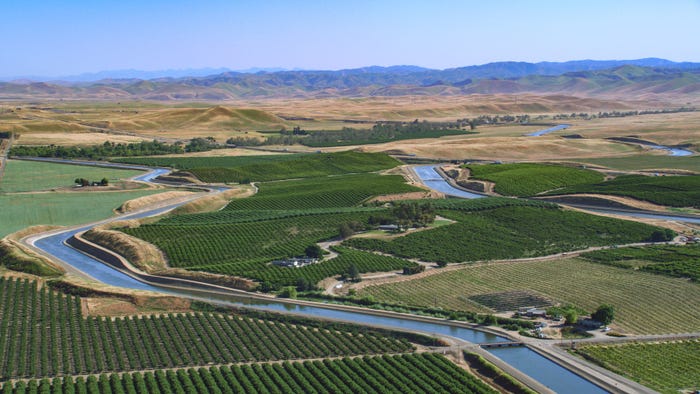
Region 5 covers the majority of the state’s agriculture. It stretches from the California-Oregon border to the Tehachapis in Southern Kern County.

There are 25,000 farmers in this region. Unlike the coastal areas, Region 9 is complying with the surface and groundwater quality issues through producer coalitions. Farmers pay a fee into these coalitions which conduct monitoring and help growers develop management plans to ensure water quality.

Discuss this Article 1

jninow
on Oct 24, 2012

Our organic product for use on crops, lawn, and garden that surpassed synthetic NPK in direct trial comparison.

Our Products reduce or eliminate the use of petro-chemical fertilizers.
Our Products reverse the damages of chemical farming, forestry, mining, oil, and gas development.
Our Products reduce pesticides, herbicides, hormones, and genetically modified foods.

www.andongroupcorp.com

Post new comment
Sign In or register to use your Western Farm Press ID

(optional)

Continuing Education Courses
This accredited CE course focuses on choosing the correct variety alfalfa based on a number of...
New Course
The 2,000-member Weed Science Society of America’s (WSSA) Herbicide Resistance Action...

The course details six of the primary diseases affecting citrus: Huanglongbing (Citrus...

Newsletter Signup