Roundup Ready sugar beets deregulated

  • APHIS has completed an environmental impact statement on Roundup Ready sugar beets, which superseded controls it had issued under a partial deregulation. This shifts technology into non-regulated status, meaning the agency sees it as safe.

USDA’s Animal Plant Health Inspection Service has deregulated Roundup Ready sugar beets.

The agency completed an environmental impact statement, which superseded controls it had issued under a partial deregulation. This shifts technology into non-regulated status, meaning the agency sees it as safe.

Commercial beet farmers still must identify and remove bolters, and comply with glyphosate application frequency and rate rules.

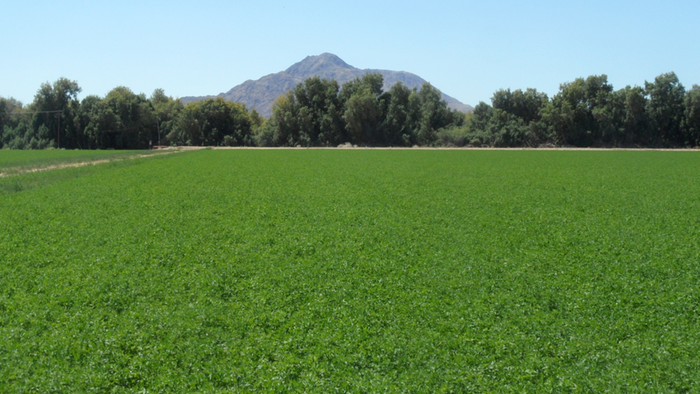
There are 25,000 acres of sugar beets in California, all grown in Imperial Valley.

Roundup Ready beets are genetically altered to make them resistant to the herbicide glyphosate. Glyphosate significantly simplifies weed control for many crops on which it is used, particularly beets, because it kills both broad-leaf and grassy weeds and has low persistence in the soil. Farmers have been planting Roundup Ready beets since 2008, amidst persistent legal challenges from environmental groups. One of the latest challenges, in 2009, led to a district court ruling APHIS had not fully studied the issue before approving the technology and needed to complete the environmental impact study.  However, by then almost all the seed beets available were Roundup Ready.

While beets are no longer subject to compliance agreements with APHIS, for legal reasons, growers must retain records they created while the APHIS study was under way, which includes 2011 and 2012 crops.

While no longer under the APHIS agreement, the co-ops are reminding growers they still must comply with grower use agreements that the individual farmers have signed with Monsanto. The co-ops have their rules to ensure bolters are removed and destroyed. Monsanto requires individual growers monitor, remove and destroy any bolter beets. Other conditions required by APHIS are still required in Monsanto’s Technology Stewardship Agreement and its Technology Use Guide.

Discuss this Article 1

Anonymous (not verified)
on Sep 21, 2012

GMO beets are a horrible idea, this so called round up the apply is very dangerous and can cause severe cases in humans. This lets the farmers only work a few weeks in the spring and fall and lets them slack off the rest of the time leading to a chemical rich beet that can really damage oraganisms around it not to mention the enviornment. this is whyGMO beets should not be allowed to be grown here, we need to take care of the world and our people

Post new comment
Sign In or register to use your Western Farm Press ID

(optional)

Continuing Education Courses
This accredited CE course focuses on choosing the correct variety alfalfa based on a number of...
New Course
The 2,000-member Weed Science Society of America’s (WSSA) Herbicide Resistance Action...

The course details six of the primary diseases affecting citrus: Huanglongbing (Citrus...

Newsletter Signup