Klamath Project 2012 Operations Plan released

  • The Bureau of Reclamation released its 2012 Operations Plan for the Klamath Project (Project). The plan is based upon current and expected hydrologic conditions from the April 1, 2012, Natural Resource Conservation Service (NRCS) inflow forecast and current storage in Upper Klamath Lake.

The Bureau of Reclamation released its 2012 Operations Plan for the Klamath Project (Project). The plan is based upon current and expected hydrologic conditions from the April 1, 2012, Natural Resource Conservation Service (NRCS) inflow forecast and current storage in Upper Klamath Lake.

The Operations Plan describes how Reclamation will operate the Klamath Project in 2012 and provides an estimate of Project water supply, anticipated lake elevations, and river flows for the coming year. It is used by agricultural water users, Klamath Basin Tribes, national wildlife refuge managers, and others as a planning tool.

Upper Klamath Lake is currently full with 413,961 acre-feet of storage above the minimum lake elevation outlined in the U.S. Fish and Wildlife 2008 Biological Opinion. The NRCS inflow forecast for Upper Klamath Lake is 400,000 acre-feet from April 1 through September 30, which is 78 percent of the historical average. With these conditions, Project irrigation water supply from Upper Klamath Lake from April 1 through September 30, 2012 is expected to be 310,000 acre-feet. Factors that could affect the irrigation year are requirements contained in the current National Marine Fisheries Service and U.S. Fish and Wildlife Service Biological Opinions, actual runoff, temperature and irrigation season precipitation.

“Significant storm events are making the water year look much better than it did in early March. Inflow forecasts for April through September have gone from 46 to 78 percent of average in the last month. With lower than average inflows expected during the irrigation season, we will pay close attention to how fast the lake draws down to make sure we maintain minimum levels required in the Biological Opinion,” said Jason Phillips, Klamath Basin Area Office Manager. “Because of this, we’re still working closely with Klamath Water and Power Agency to develop plans to address any shortages that may occur later in the year with land idling and groundwater pumping programs,” he added.

Current lake levels in Gerber Reservoir indicate full deliveries are available and lake levels in Clear Lake Reservoir indicate approximately 80 percent of average deliveries will be available this irrigation season.

The Klamath Project 2012 Operations Plan may be viewed at http://www.usbr.gov/mp/kbao/. For more information, please contact Jason Cameron at 541-880-2563 or jcameron@usbr.gov.

Discuss this Article 1

Felice Pace (not verified)
on Apr 11, 2012

Contrary to the hype coming from the Bureau of Reclamation, all water needs in the Klamath River Basin are not being treated in a fair and equal manner.

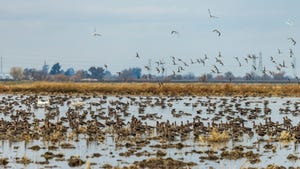
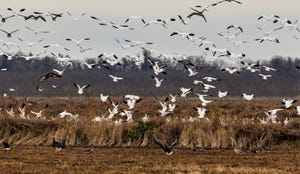
Water to Lower Klamath National Wildlife Refuge was cut off in January for 2 1/2 months resulting in an epidemic of avian cholera which killed an estimated 10,000 ducks, geese and other birds during spring migration. Winter flows in the Klamath River were also cut.

This is happening because, as a result of the KBRA Water Deal, the Bureau of Reclamation is once again able to prioritize the needs of federal irrigators over the needs of salmon, wildlife refuges and non-federal irrigators. And because of numerous "duty to support" provisions of the Water Deals they signed - as well as the increasing dependence of Klamath River tribes on funding from the Bureau of Reclamation - those organizations which once challenged this sort of imbalance (lack of fairness) are now as silent as church mice.

This is the BRAVE NEW WORLD of Klamath River Basin water management under the KBRA Water Deal. To learn more about how the former "Defenders of Klamath River Salmon" have been manipulated into accepting this sort of mischief, check out KlamBlog at www.KlamBlog.blogspot.com

Post new comment
Sign In or register to use your Western Farm Press ID

(optional)

Continuing Education Courses
This accredited CE course focuses on choosing the correct variety alfalfa based on a number of...
New Course
The 2,000-member Weed Science Society of America’s (WSSA) Herbicide Resistance Action...

The course details six of the primary diseases affecting citrus: Huanglongbing (Citrus...

Newsletter Signup