Desert vegetable harvests in full swing

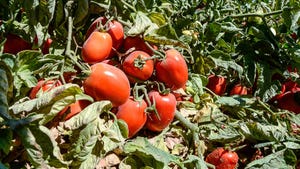
Produce harvests have begun in the desert and all estimates indicate production and quality are at or above normal, according to John Palumbo, Extension entomologist with the University of Arizona at Yuma. Growers are still planting, and will continue to do so through December.

“Whitefly pressure was spotty this fall — heavy in some areas and light in others,” he says. “Overall, I would consider it a normal year. Aphid pressure is typical for this time of the year. Green peach aphid is showing up on cole crops and brassica seed crops. If the weather stays warm and dry this winter, it could be a light aphid year. But you never know for sure.”

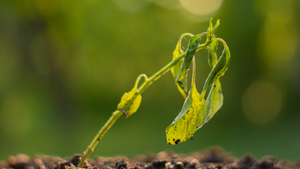
The full impact of cucurbit yellow stunt disorder virus (CYSDV) is still unknown.

“Overall, CYSDV was present in all fields, at varying degrees, throughout the area at harvest,” Palumbo says. “We’re not sure yet how it impacted yields or quality for most growers, although I’ve heard anecdotally that some growers did quite well.”

Worm pressure has been lighter than normal this fall, he says. In some areas thrips pressure was high for fall crops and was most likely weather-related.

“All indications are that crop quality will remain high, but weather may ultimately dictate what happens down the road,” Palumbo says.

Labor is an ongoing concern and one that seems unlikely to be solved or even see progress for this harvest season. “There isn’t a lot happening,” says Paul Simonds, communications director for Western Growers Association. “Labor is still a huge issue. We’re not terribly optimistic about AgJobs in the near future, and growers are very concerned. No-match letters have been delayed until the spring of 2008.

“We’re not pulling any punches,” Simonds says. “We know that upwards of 70 percent of our labor is undocumented.”

While the legislative process has slowed to a crawl, enforcement activities have escalated. Potential penalties are severe, including economic sanctions and criminal charges.

“Immigrations Customs Enforcement is targeting agriculture,” says Don Dressler, private labor relations consultant. “Make no mistake about it — the ante has been upped. Anyone using farm labor should already consider themselves a suspect in an ICE criminal investigation. ”

Discuss this article 0

Post new comment

Sign in or Register to use your Western Farm Press ID
(optional)
CAPTCHA
This question is for testing whether you are a human visitor and to prevent automated spam submissions.
Incorrect please try again
Enter the words above: Enter the numbers you hear:
Sign Up
Sign Up!

For the Western Farm Press Newsletter
Keep up with the latest news with our daily newsletter

Continuing Education Courses
New Course

Copper has long been a key tool in disease control in a many crops. This course details how best to use copper to maximize its disease management potential.

New Course

This covers managing Lepidopterous pests in a wide array of crops and there is a second section on pesticide safety.

New Course

California groundwater regulations and their impact on pesticide recommendations and applications are covered in this course.

New Course

Healthy plants have a greater ability to resist soil pathogens and insect damage. This course details how to utilize organic acids to improve plant health and therefore crop production.