Scab, rust increasing with almond orchard humidity
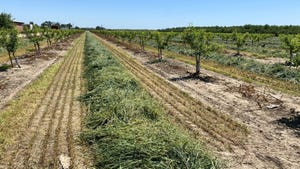
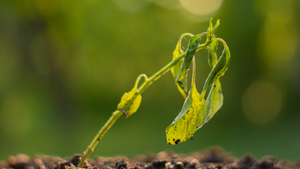
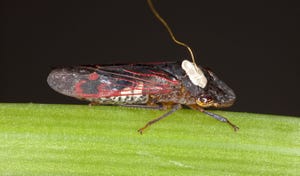
For California almond growers, looking into recent past seasons can offer plenty about the disease propensity of an orchard today. Foliar diseases are becoming more problematic in California almond orchards. One reason is due to late, spring rains the past few seasons creating high orchard humidity. Another is the growing trend toward high density plantings and the almost constantly running micro sprinklers keeping orchards wetter longer.
Rules for nitrogen in vineyards have changed dramatically
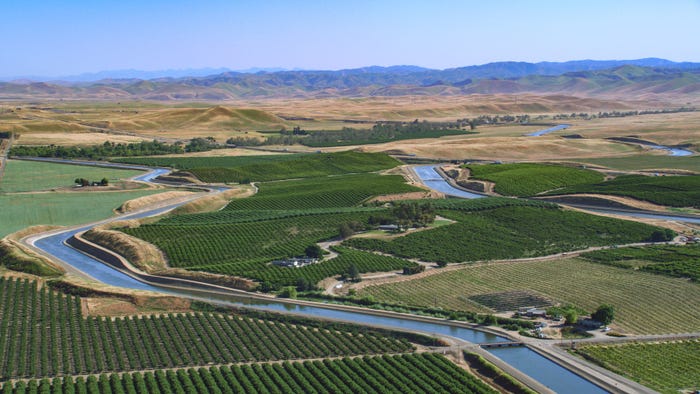
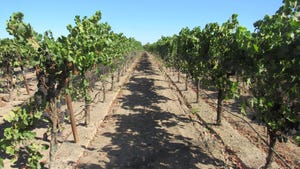
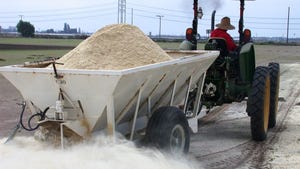
Much of California's water supply is polluted with nitrates. One of the sources of this pollution is farming. California is in the throes of creating a massive regulatory system that will mandate each farm adopt a fertilizer management plan.
Water crisis growing on California's Central Coast
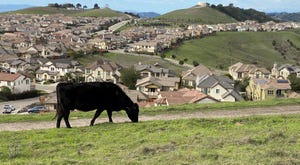
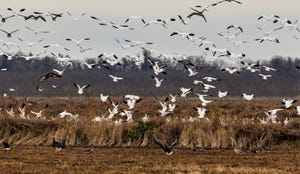
When Californians talk about living or working “on the water,” it’s likely in reference to the state’s 840-mile coastline. However, the infinite blue Pacific Ocean might as well be a desert to those who call the Central Coast home where fresh water is becoming as scarce as a flock of snow geese in the Sahara.
Cotton paves way for SJV cornucopia
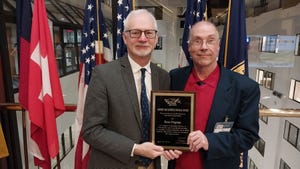
In recognition of his leadership in California agriculture, and his accomplishments in cotton production, Don Cameron, Helm, Calif., was selected as winner of the 2012 Farm Press/Cotton Foundation High Cotton Award for the Western states.
GPS technology offers major jump in nematode control
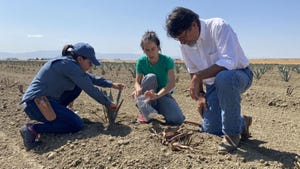
Site specific precision agricultural technology for control of nematodes offers a significant breakthrough in managing yield-robbing plant parasitic nematodes across the U.S. Cotton Belt. Losses of at least 200 pounds to nematodes have been documented across the South and Southeast. Greater yield losses to nematodes have been documented in high-yielding areas in the irrigated West.
RR alfalfa growers liked field crop; didn’t like price
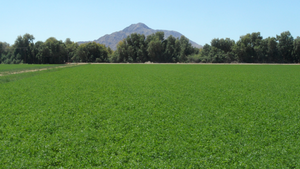
More than 90 percent of alfalfa growers who were fortunate enough to plant Roundup Ready alfalfa before a federal judge pulled it off the market more than four years ago are pleased with the performance of the glyphosate-tolerant crop.
Alfalfa hay growers told to lower 2012 price expectations
Respected marked analyst Seth Hoyt said lower prices could help stabilize alflafa acreage and help struggling dairymen. Despite record 2011 prices, Western state hay acreage is not increaseing as expected. Cropping alternatives make alfalfa less attractive.
President Bush to keynote World Ag Expo Ag Warriors benefit
Former President George W. Bush will be the keynote speaker Feb. 15, 2012 during World Ag Expo in Tulare, Calif., at the kickoff of a fundraising event to launch a unique program to enfold returning veterans into the agricultural industry.
Pima harvest kick-starts American ELS market
The first USDA FOB Pima price quotes in eight months have established a current price of about $1.88 cents per pound for 2-2-46 American Pima. The reason it has been eight months since the last price quote is because there has been no American Pima cotton available. Last February inventory and available supplies of the 2010/2011 crop had virtually run out and prices for American Pima in the export market had rallied to over $3 per pound.
Calfornia farmers face future of grueling water regulations
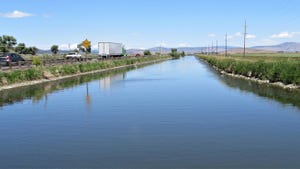
California is moving rapidly toward a virtual zero pollution policy that will mandate every farm and business adopt a management plan to keep water carrying pollutants out of lakes, streams, creeks, irrigation ditches and just about any other water body in the state.
California raisin crop most valuable in history
As much as 50 percent of the California raisin crop was vulnerable to damage when heavy rains hit the valley earlier this month. Much of that is still in the vineyards, slowly drying in mild fall weather or headed to dehydrators, creating an atmosphere of uncertainty for both growers and packers. The anxiety is heightened not only by the fact this is the most valuable California raisin crop ever produced, but the eventual crop size will likely make it challenging for the industry to meet demand.
SJV cotton harvest under way
An unseasonably wet and cold weather front may have slowed California’s early cotton harvest, but it did not necessarily dampen grower and marketer enthusiasm for another good cotton year. “Growers seem to be pretty optimistic,” said Earl Williams, president of the California Cotton Ginners and Growers Associations. Harvesting started a bit late with pickers rolling in the southern San Joaquin Valley in late September gathering the valley’s 431,000 acres of cotton (273,000 Pima; 158,480 Acala/Upland).
Thompson seedless prices take sharp harvest time increase
Strong raisin sales, heightened demand for Thompson seedless grapes for crushing, a late harvest start due to low grape sugar content and a surprising farm worker shortage are combining to create an early harvest time pricing war unlike San Joaquin Valley grape growers have seen for at least a decade.