Future demands keep almond industry, beekeepers abuzz
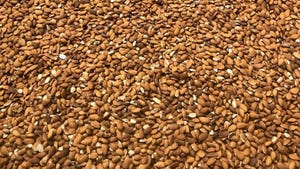
More honey bees will be required in the future as California almond acreage expands. Future plantings are expected to slow slightly in the short term.Worries continue about significant bee losses over the last five years linked to colony collapse disorder (CCD). California almond growers produce 99 percent of the U.S. commercial almond crop. The annual California springtime pollination ritual in almond orchards is the world’s largest pollination event.
Dream of 2-billion-pound California almond crop now reality
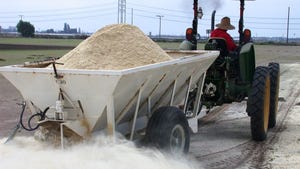
Achieving a 2-billion-pound California almond crop was once a distant dream but now it’s a reality, says Bob Curtis of the Almond Board of California. In the 1980s, a ton of almond meats at a dollar a pound was happiness — a ton was the gold standard. Monumental almond yield increases are tied to precision irrigation, high-density tree planting, minimum and machine pruning techniques, and soil modification and amendments — among other practices.
Effective tool arsenal combats cotton pests
The best insect management strategy is knowledge based on a good understanding of the crop, the pest (whether an insect, weed, or disease), the insecticide or trait, and the impact of cultural practices. This understanding paves the way to better informed decisions.
Reinventing herbicides to benefit specialty crops
Chemical companies are utilizing technology to reinvent older herbicides introduced up to 50 years ago. Companies and weed researchers are developing new uses for older herbicides, plus generating new product formulations and application techniques.
Farmland experts predict price upswings to continue
In California, some farmland values have increased up to 20 percent per acre in the last year — largely land in permanent crops including almonds, pistachios, and grapes. In Texas, steady to uneven land prices exist for medium and lower quality land yet a price uptick for better land quality with good water. In the Mid-South, this area is just starting to hit its stride on increasing land values.
Biotech crop benefits only just beginning for agriculture
Monsanto has genome sequenced almost every gene in corn, soybeans, and cotton over the last five to seven years. Crop yields need to double to triple in the decades ahead to reach a world population expected to top 8 billion to 9 billion people by around 2050.
Health attributes shifting produce to center of plate
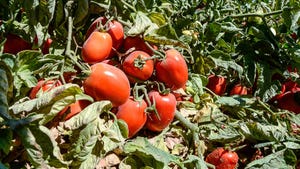
A shift of fresh fruits and vegetables from a side dish at the meal table to the middle of the consumer’s dinner plate makes today an exciting time for the U.S. produce industry. Pushing produce to plate center is tied to the healthy attributes associated with fruit and vegetables. Results from a survey of 500 chefs suggest improving flavor is the best way to increase fresh fruit and vegetable consumption.
Harnessing the genome to redefine mankind, agriculture
The future of mankind and agriculture is strongly tied to unlocking an organism's genome. Research in genomics will unleash inconceivable strides for mankind and agriculture. “This wave of technology is coming whether you’re ready or not,” says Juan Enriquez, a world-leading genetic code authority and user. The bottom line — the opportunities for genomics in agriculture are endless.